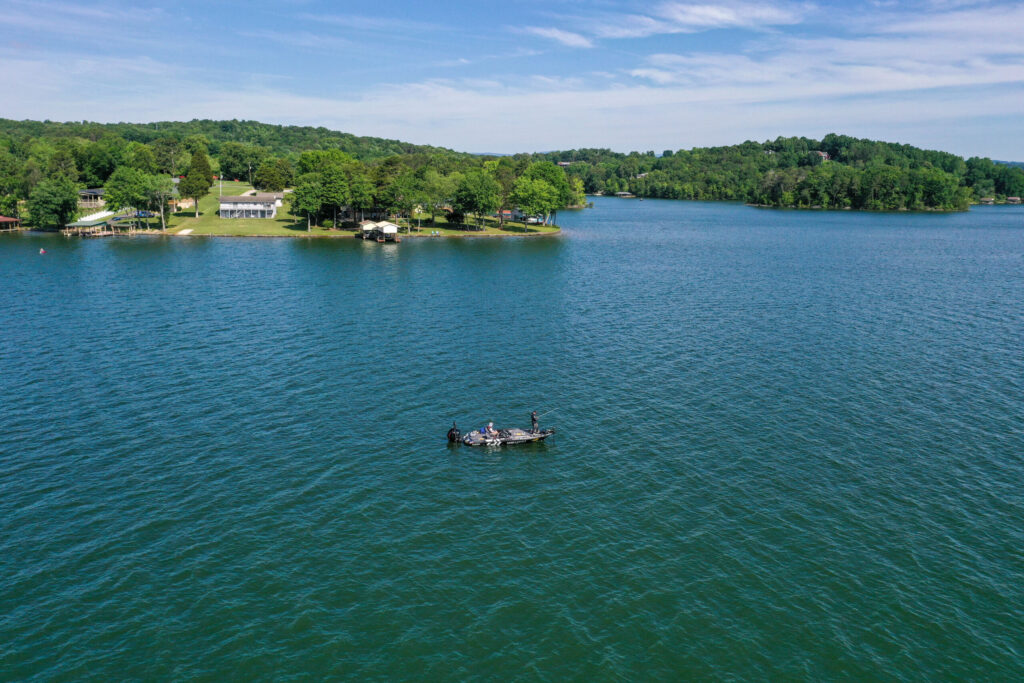
Watts Bar Lake boasts excellent fishing prospects.
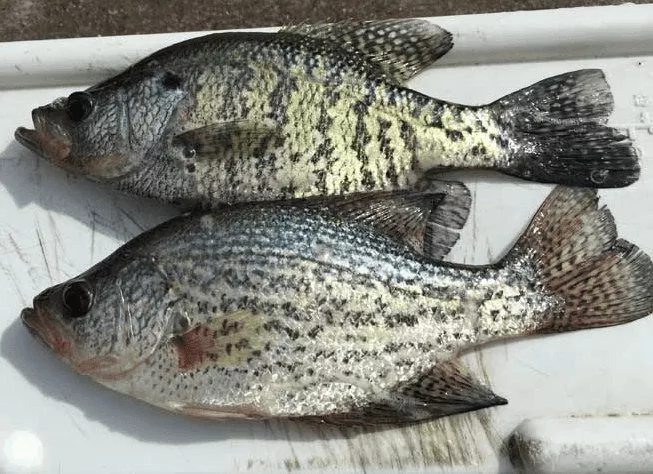
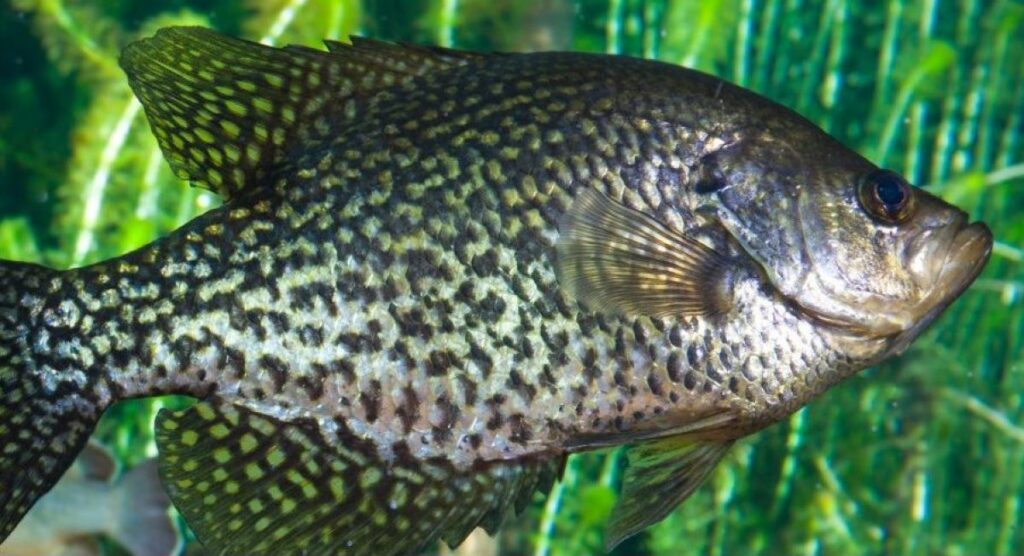
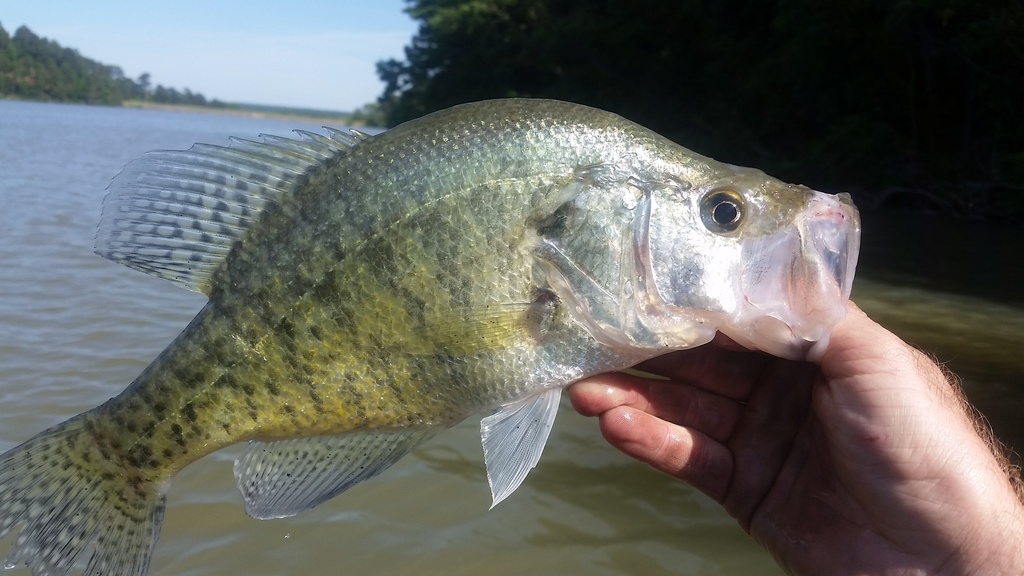
White and black crappie are prominent species.
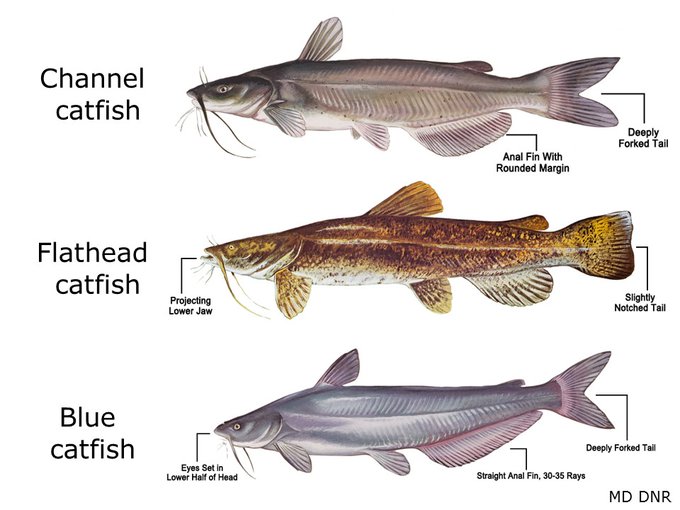
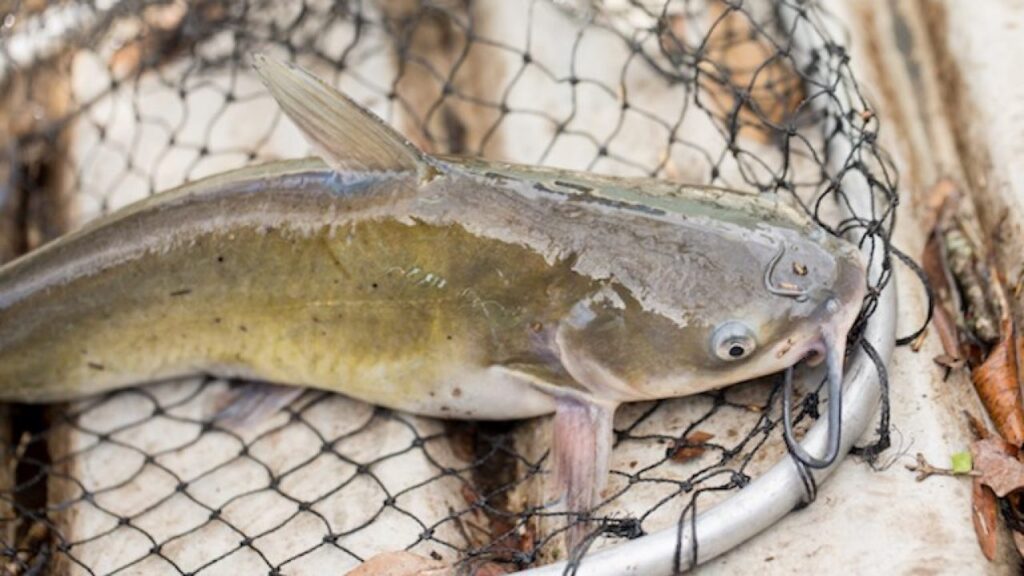
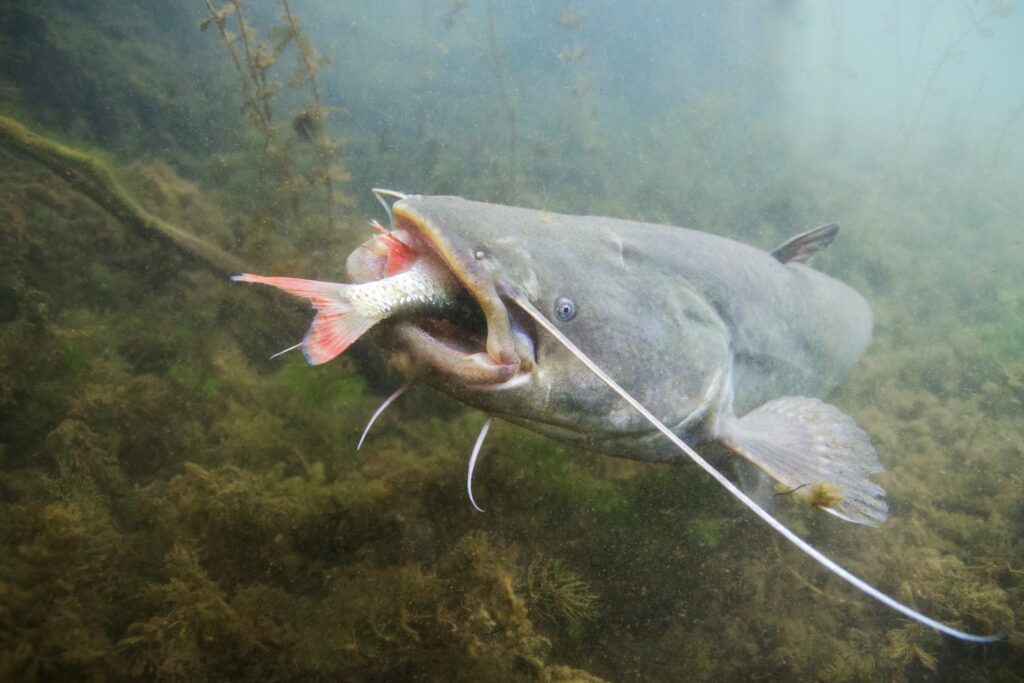
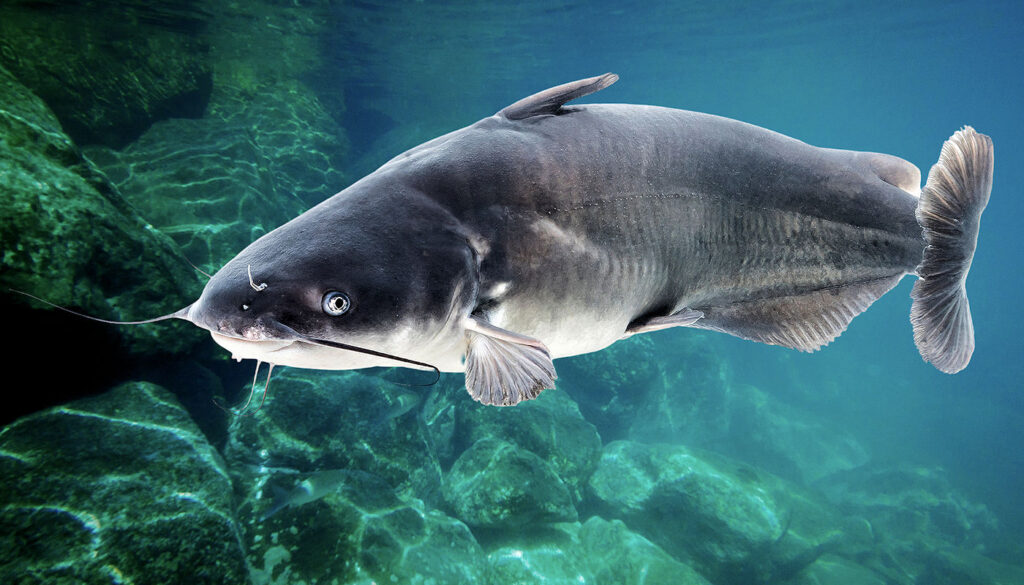
There are three types of catfish: channel, flathead, and blue.
In the previous installment of our Watts Bar Lake fishing guide, we discussed the lake’s favorable bass fishing conditions and compared various bass species. However, the fishing fun doesn’t end there. In fact, the reservoir holds the Tennessee state record for many species, such as bigmouth buffalo, short-nose gar, river herring, yellow true bass, and golden red horse. But in this installment of our Watts Bar Lake fishing guide, we will focus on the best tactics for catching crappie and catfish. Read on to learn the ideal baits and seasons for these coveted species.
Back in the 1980s, white crappie harvests far exceeded black crappie catches. However, now anglers report reeling in an equal amount of these species. Crappie fishing generally peaks during the spawning period in early Spring, during March and April. White crappie usually spawn in 60-65 degree water, and black crappie spawn later when the temperatures reach 62-68 degrees.
During the early portion of the spawning period, crappie move toward the reservoir’s shallow areas. Fishermen will have the most success starting in the deeper water and trolling or spider rigging toward the lake’s shallow regions. As the spawning period progresses, anglers can fish directly in shallow water, casting around bushes, laydowns, or docks and using jigs with minnows and soft plastics. After the spawn, crappie will move back to deeper waters. Anglers report night fishing to be especially good in this post-spawning period. They advise fishing under docks or brush piles and casting with jigs and minnows.
Anglers can catch catfish year-round at Watts Bar. Unlike neighboring lakes like Chickamauga, Watts Bar does not permit commercial fishing. Therefore, the reservoir’s catfish populations remain bountiful. Blue catfish are the lake’s most prominent species, followed by channel and flathead. In addition, the reservoir offers a healthy habitat of forage, which sustains the catfish population.
During the early Spring, anglers can target catfish by cruising the river channel. Meaty baits—such as shad, bluegill, shrimp, and chicken pieces—will yield the best results. When June rolls around, Watts Bar catfish enter the spawning period. Fishermen can locate them around rocky areas and use Ivory soap and Catalpa worms for bait. However, as the summer progresses, anglers should navigate the mid-lake to the Ft. Loudoun Dam areas and use meaty baits. These same tactics will also be effective for the fall and winter.
Now you know all the tricks for reeling in crappie and catfish on Watts Bar Lake. So pack up the cooler, hook up the boat, and get ready for some unforgettable fishing trips!
In fact, the reservoir holds the Tennessee state record for many species, such as bigmouth buffalo, short-nose gar, river herring, yellow true bass, and golden red horse.
Watts Bar Lake is a top Tennessee fishing reservoir.
Wesley Strader believes the lake will continue to become more renowned for its fishing conditions.
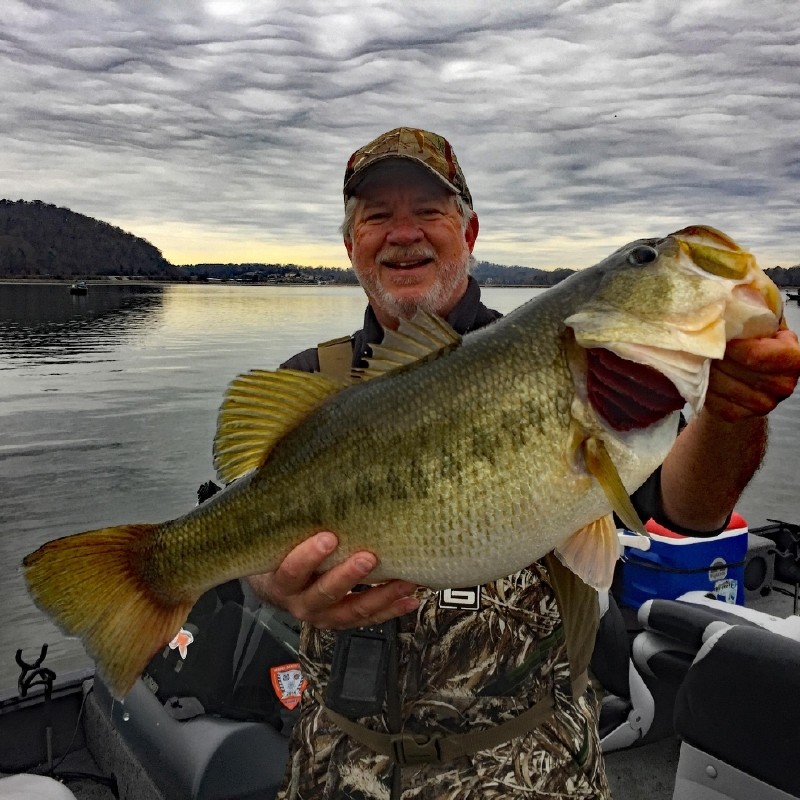
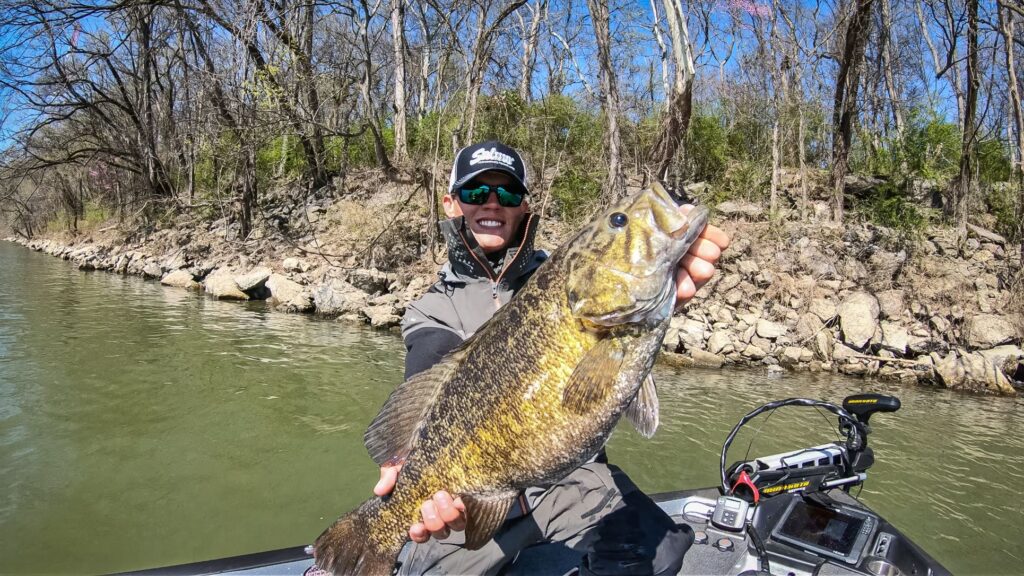
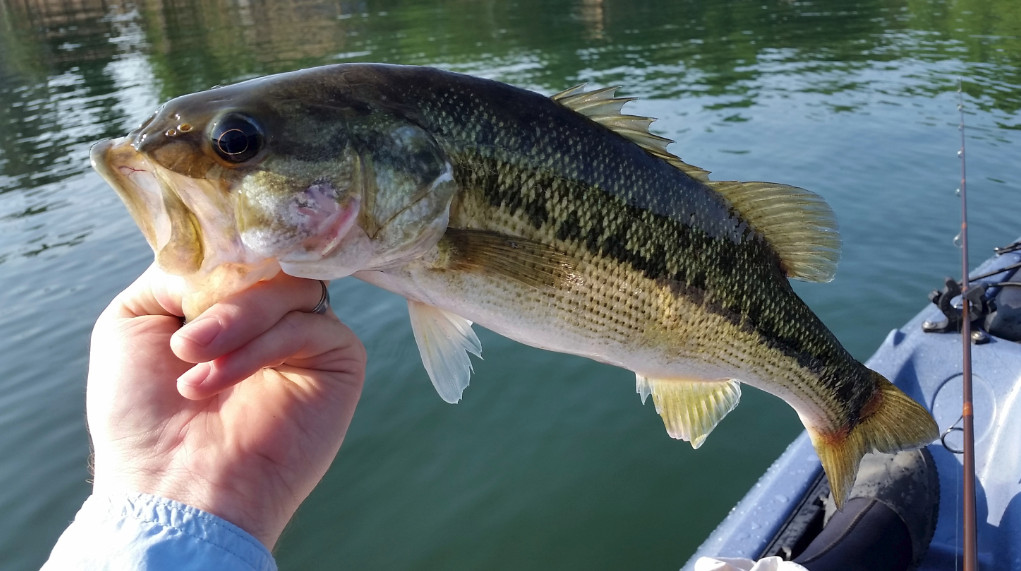
Common bass species include largemouth, smallmouth, striped, spotted, and white bass.
Tennessee lakes showcase the country’s finest sport fishing. Each year, the state receives around 50 inches of rainfall, creating hundreds of miles of watershed. In addition to eight thousand miles of streams, the state boasts 22 large lakes comprising over half a million acres combined. These Tennessee lakes feature mild winters and contain almost all common game fish. Watts Bar Lake especially boasts the best of these Tennessee fishing conditions. Situated outside of Knoxville, this Tennessee gem displays miles of unspoiled natural lake landscapes. So if you want to reel in a trophy fish on these pristine waters, check out our Watts Bar Lake fishing guide!
Watts Bar Lake was completed in 1942 by impounding the Tennessee River. Today, the lake has a surface area of 39,600 acres and 722 miles of shoreline. The reservoir connects to many tributaries—such as the Clinch River, White’s Creek, Emory River, and Piney Creek—which enhance its biodiversity.
Each year, more people recognize Watts Bar Lake as a top fishing destination. Wesley Strader—a Bass Pro Tour Angler—grew up fishing on Watts Bar Lake. Even after participating in hundreds of tournaments, Strader still believes his home reservoir boasts premier fishing conditions. He states, “I don’t think; I know that Watts Bar Lake is about to be the new Lake Chickamauga in about five years. The combination of the grass coming back that was killed off 30 years ago, plus the influx of Florida strain largemouths, will make Watts Bar a go-to lake in Tennessee. I can’t wait to see what the future holds for it. Maybe we’ll see an MLF event here one day.”
Common Fish Species
Watts Bar Lake contains many fish species, including bass, crappie, catfish, bluegill, redear, sauger, walleye, yellow perch, and muskie. If you want to know the best tactics for reeling in these fish, check out these top tips!
Watts Bar Lake boasts the best fishing prospects between April and November, and the top months to catch bass are May and October. Largemouth bass fishing is legendary on Watts Bar, and other bass varieties are also abundant.
Spring: During the spawning months (March-May), largemouth bass are in shallow banks with woody cover, rock, or boat docks. Topwater lures, weightless soft plastic worms, and Texas-rigged creature baits are the best options for these months.
Summer: The largemouth bass move to deep points, structures off the bank, and breaks near the main river channel. Many anglers have success fishing at night. The best bait options are Carolina-rigged worms, crankbaits, flutter spoons, and jigs.
Fall: Fish congregate in the backs of creeks with high shad concentrations. Spinnerbaits, square-billed crankbaits, plastic worms, buzz baits, and chatter baits are effective.
Winter: Bass migrate to the lower end of the lake, schooling around the migrating shad. Jigging spoons, A-rigs, and swimbaits work well.
The mid to lower portions of the lake provide the best smallmouth bass opportunities.
Spring: Anglers should target rocky points and flats adjacent to deep water. Crankbaits, jigs, jerk baits, and soft plastics are effective.
Summer: Fishermen can use the same baits from spring but target humps, ledges, points, and rocky banks.
Fall: The key to success is fishing on rocky points with access to deep water.
Winter: Smallmouth bass congregate in deep water near points, ledges, and steep banks. The float’n fly method produces quality catches during these months.
Anglers can find white bass in the middle and upper segments of the lake.
Spring: This is the ideal season to fish for Watts Bar white bass. Top bait options include crankbaits, spinners, small swimbaits, and jigs.
Summer: Bass congregate in the middle of the lake. During the evening, they surface feed on baitfish—an activity referred to as “the jumps.” During this season, topwater lures, spoons, and spinner-type lures yield excellent results.
Fall: White bass are found throughout the lake, but the tailwater and flats off the main river channel offer the best prospects. Fathead minnows, gizzard shad, and golden shiners are great bait options.
With this Watts Bar Lake Fishing Guide, you know all the best tactics for catching bass in this top Tennessee reservoir. But, if you want to learn tips for other species—such as crappie, catfish, bluegill, redear, sauger, walleye, yellow perch, and muskie—stay tuned for part two!