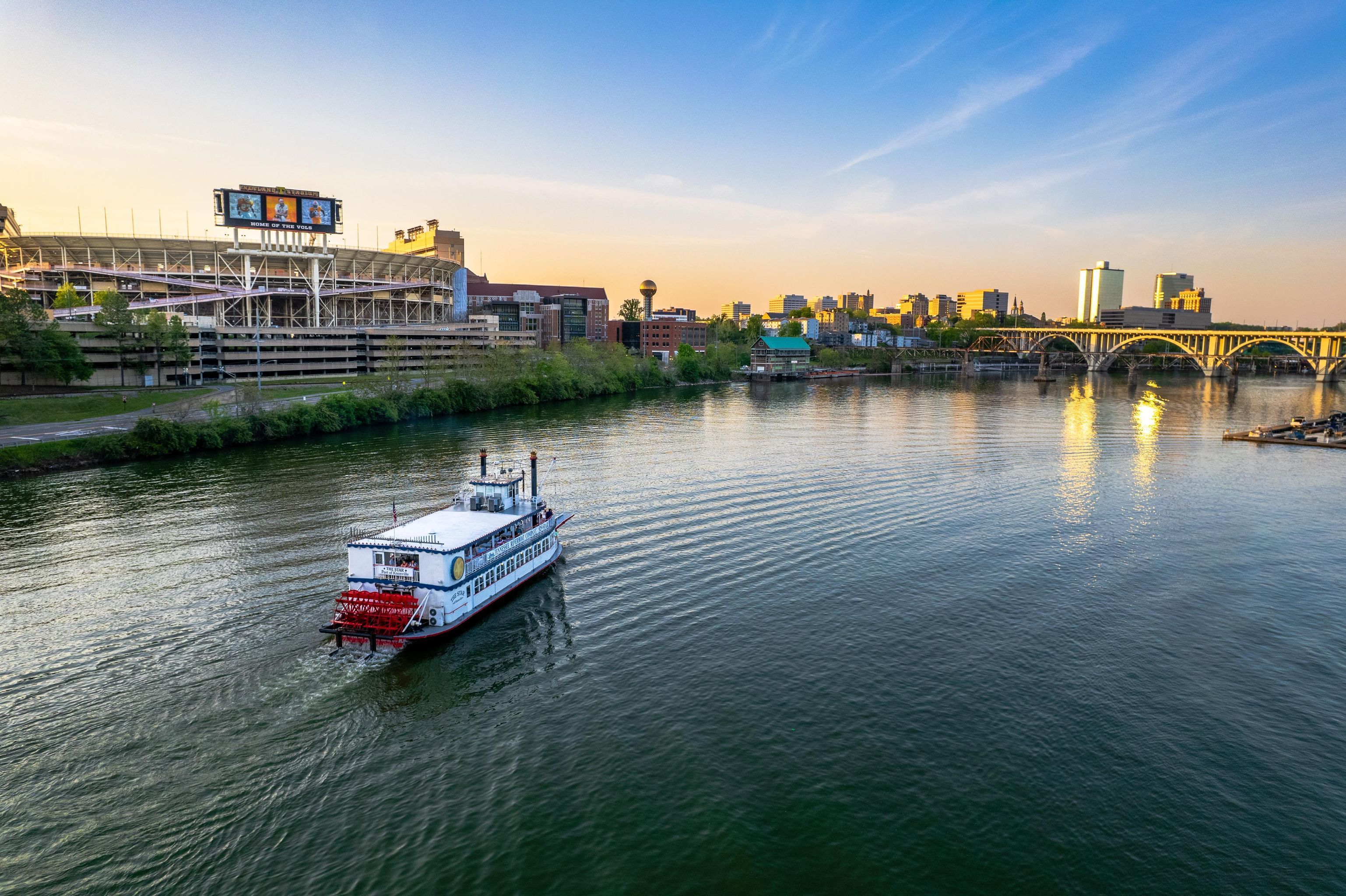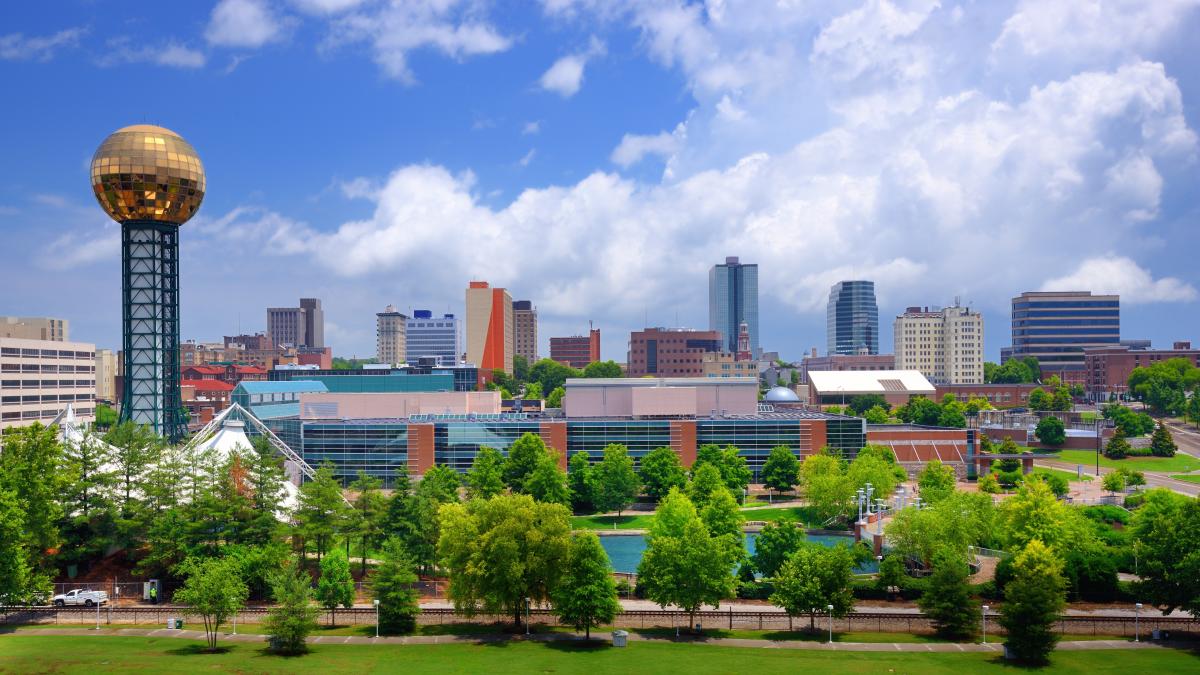
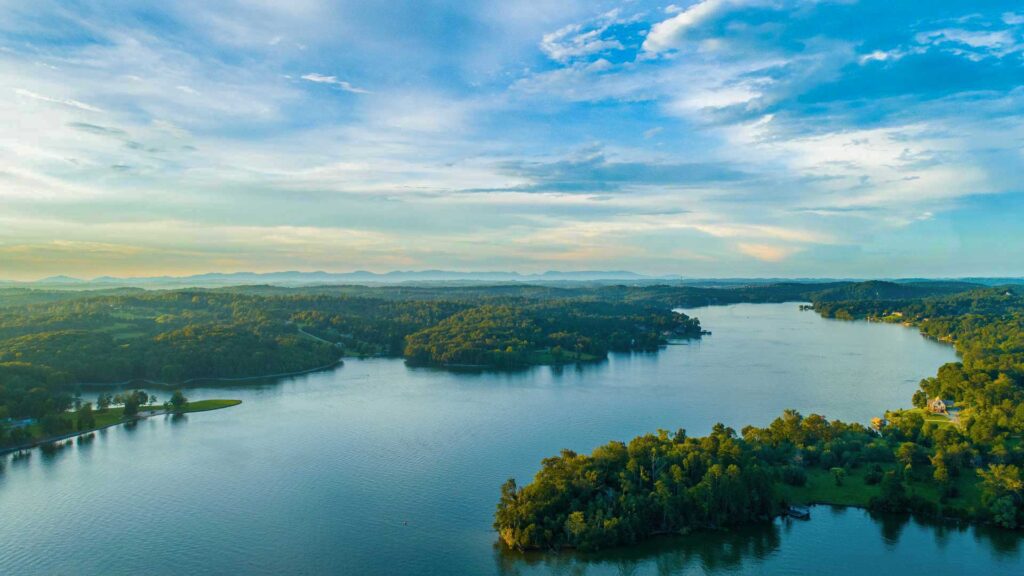
Fort Loudoun Lake boasts a rich and complicated history:
- Making Landfall
- Of Sieges and Surrenders
- Today and Forward
Although Fort Loudoun does not lie on the lake that bears its name, their stories are inexorably intertwined. Today, we take great joy in all the opportunities the lake offers, like fishing and tubing, but the site’s calm waters were once the site of bloody battles. The history of Fort Loudoun Lake goes back centuries to the days of colonial America. The ongoing tension between the Cherokee, British, and French was a powder keg waiting to blow.
Making Landfall
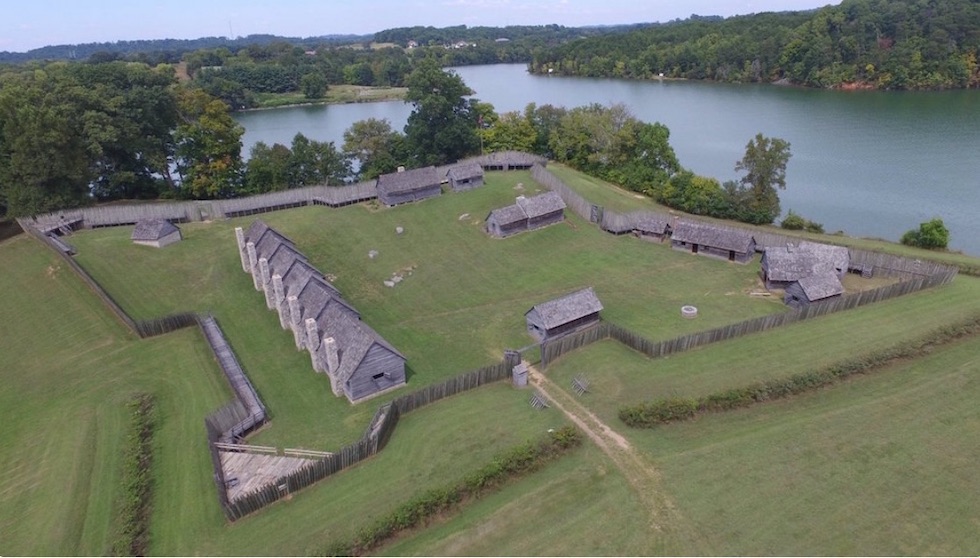
The British had long desired to establish fortifications in Cherokee territory, as growing French influence threatened their American colonies. They received their chance in 1755, as the Cherokee petitioned the British for assistance following raids by French-backed tribes. In October 1756, a platoon of Virginians set out to begin the construction of Fort Loudoun. The Virginians left before the South Carolinians arrived, led by Captain Raymond Demeré.
Demeré would come to be joined by John Willam Gerard de Brahm, a German engineer tasked with designing the fort. They frequently butted heads about the design, and the dispute climaxed when de Brahm returned to South Carolina. The Cherokee would come to call him “the warrior who ran away in the night.” Demeré quickly seized design control, and the fort was completed in 1757. The fort’s name was given in honor of the Earl of Loudoun, the commander of British troops at the time.
Anglo-Cherokee War
The War
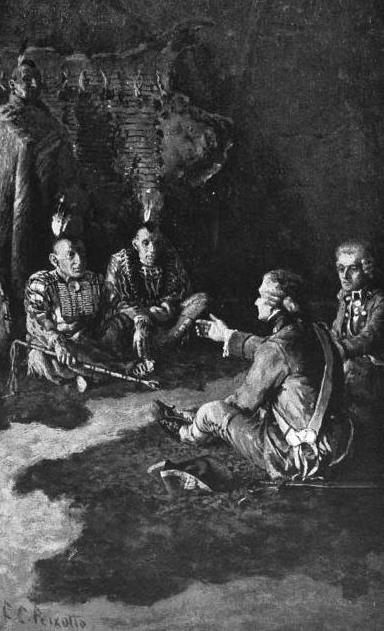
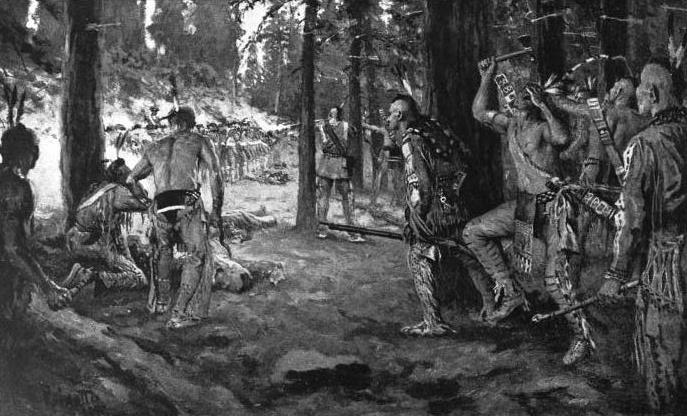
Despite previous cooperation, relations between the British and Cherokee began to sour in 1758. After many miscommunications and skirmishes, the Cherokee and British became embroiled in the tides of war. Cherokee forces were known to cooperate with the colonial powers of Britain and France against one another, and this rivalry bred a new conflict: The Anglo-Cherokee War. On a patrol in 1758, Cherokee fighters enlisted by the British went on a routine mission to quell conflict with tribes allied to France, but they slaughtered colonists along the way whilst parading their spoils. The British-aligned Cherokee declared that their fallen enemies were Frenchman, but British suspicion revealed that the fallen were Brits. Attakullakulla, a leader among the Cherokee, was detained alongside some of his tribesmen by British soldiers, who eventually released them.
Unfortunately, this effort toward peace was, rightfully, ill-received. Two different Cherokee campaigns into Virginia were planned in retaliation to Attakullakulla’s treatment. Many settlers died. Attakullakulla attempted to forge peace between them regardless of his earlier detainment. Following this, there were continued skirmishes across the frontier, and relations between the Cherokee and the British declined rapidly. More of the Cherokee that once fought alongside Britain turned to the French for guns and ammunition. Oconostota, another influential Cherokee man, traveled to Virginia to sue for peace, but the governor of the territory instead took Oconostota and his men captive. Attakullakulla was able to free Oconostota and some of the men, but many were left behind. When they returned for the rest of their men, they were met with adversity by the commander of Fort Prince George. That commander was killed shortly after, but so were all his hostages.
The Surrender
While the Anglo-Cherokee War raged, things had grown quiet at Fort Loudoun. It was not until March 1760 that the Cherokee assaulted the British fortifications. The fort’s cannons kept the Cherokee at bay; the result was not a victory but a drawn-out siege. Demeré prepared for this moment and stockpiled enough food to last the garrison a few months. Later in the year, Demeré surrendered and fled to South Carolina. He would never arrive, as their party was ambushed in the night by a force of 700.
Today and Forward
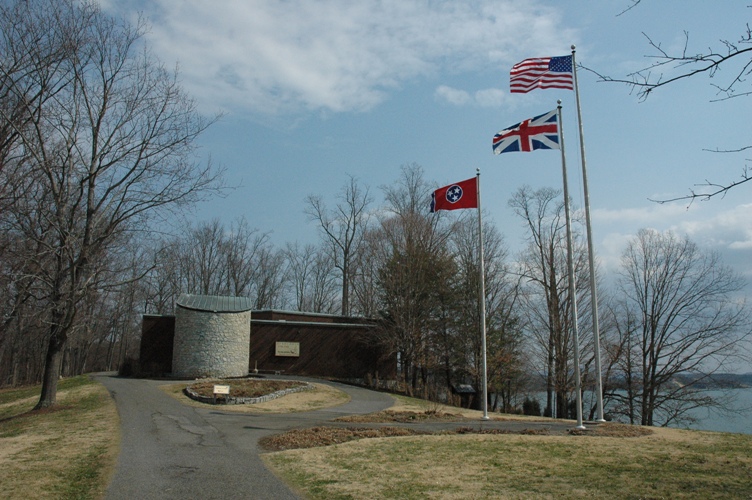
During the tumultuous Great Depression, preservationists in Tennessee began the long and arduous process of reconstructing Fort Loudoun. The Fort Loudoun Association, a group created to maintain the fortress, came to clash with the Tennessee Valley Authority in the 1960s following the proposal of the Tellico Dam. The construction of Tellico Dam would lead to the submersion of Fort Loudoun and numerous Cherokee towns, which many heavily opposed. The TVA conceded and funded a project to elevate the fort’s area above lake levels. This is why Fort Loudoun State Historic Park now sits perched atop an island in Tellico Lake. In 1965, the fort was granted National Historic Landmark status.
What once was a valley of violence sits now a tranquil lake. Fort Loudoun Lake delights visitors and residents far and wide, and its history enriches it further.
Who did the Anglo-Cherokee War involve?
Combatants in the Anglo-Cherokee War included Britain and the Cherokee.
Who built Fort Loudoun?
The English constructed Fort Loudoun with oversight from Raymon Demere and John Willam Gerard de Brahm.
What did the Cherokee call John Willam Gerard de Brahm?
The Cherokee call John Willam Gerard de Brahm “the warrior who ran away in the night” because he left the fort for Virginia.
Who was Attakullakulla?
Attakullakulla was a leader of the Cherokee who fought with and against the English.
What happened to Raymond Demere?
Demere was killed by a Cherokee ambush of over 700 warriors.
What is Fort Loudoun State Historic Park on an island in Tellico Lake?
Fort Loudoun State Historic Park sits on an island in Tellico Lake because the area where Tellico Lake us now was dammed and the area flooded.