Fishing on Fort Loudoun Lake

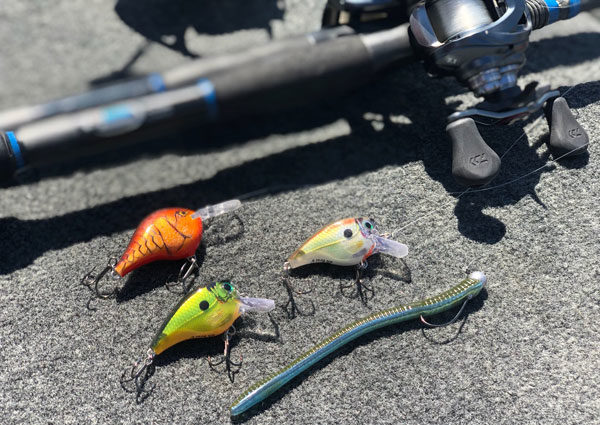
a rod on the ground with lures
Courtesy of BassBlaster
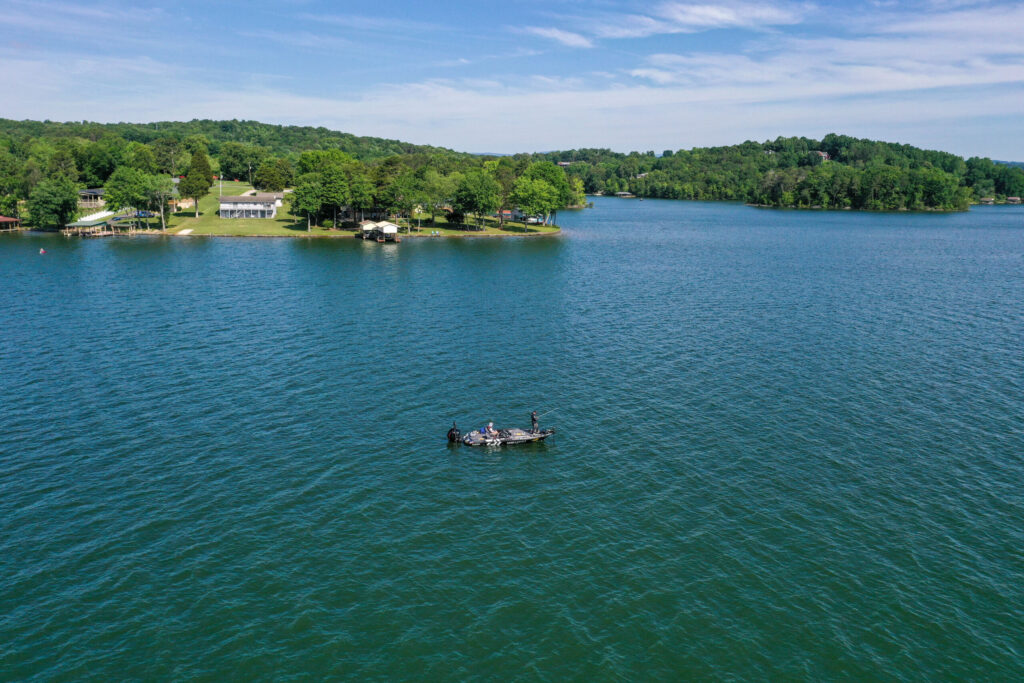
  • A local favorite fishing locale, Fort Loudoun Lake teems with life:
    • Bass
      • Largemouth, Smallmouth, and White
    • Crappie

Connecting lakes Watts Bar and Tellico, Fort Loudoun Lake is the great water junction of eastern Tennessee and the state’s fishing capital! So before you launch your boat and set sail, check out these best practices for a successful day on the water.

Boomin’ With Bass

Bass species are among the most popular game fish in North America. Catching them requires knowledge of their habits, behavior, and the best techniques, but those criteria also depend on the type of bass.

Largemouth

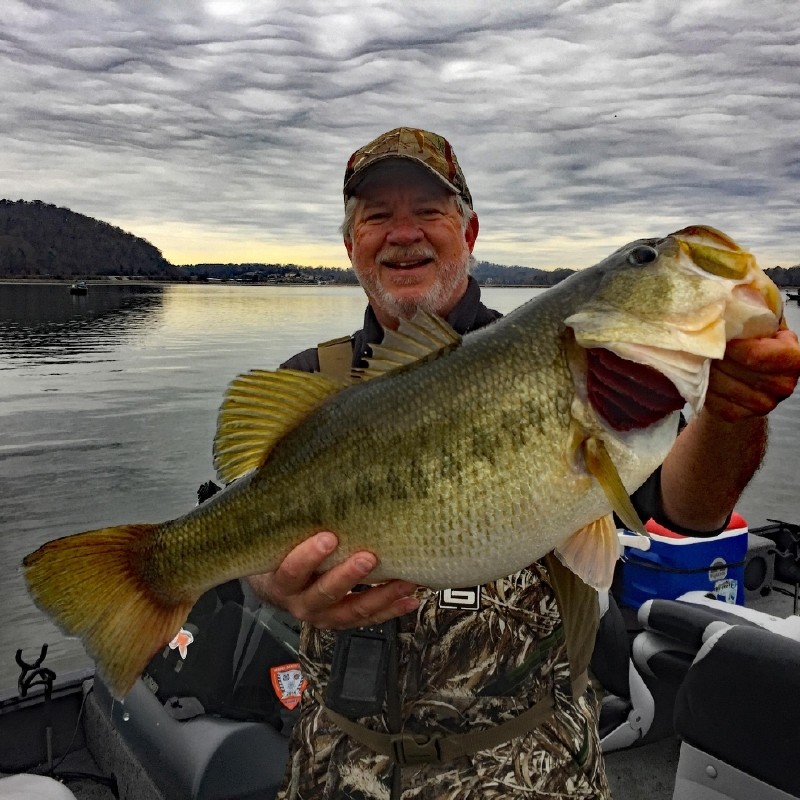
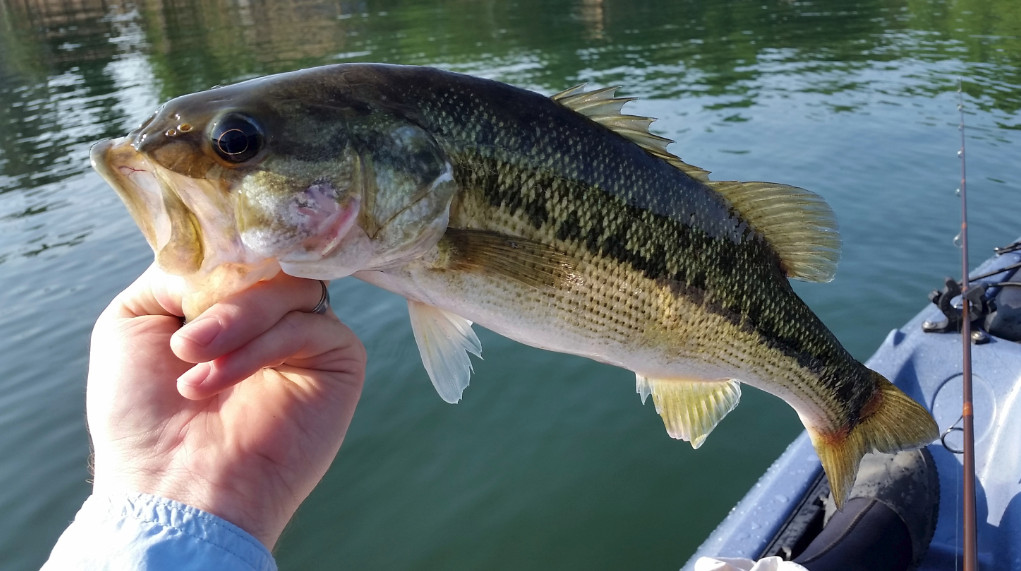
Known to be notorious fighters, largemouth bass can put up a struggle. As such, you need to have the right rod for the job. Largemouth bass are bigger game fish, so get a strong baitcasting rod. A medium-length pole provides greater accuracy in those hard-to-reach places where bass like to hide.

Another important factor to consider is time of day. Early morning and late evening are typically the best times to catch largemouth bass, as they tend to be more active during low-light conditions. However, they can also be caught during the day if you know where to look. The time of year also affects where you’ll find largemouth bass. Largemouth bass tend to roam shallow waters during the spring and summer, but they glide along the bottom during the winter months. But regardless of time or season, fishing in the murkiest waters will lead to the biggest catch! They will also often hang out in areas with drop-offs or sudden changes in water depth.

Smallmouth

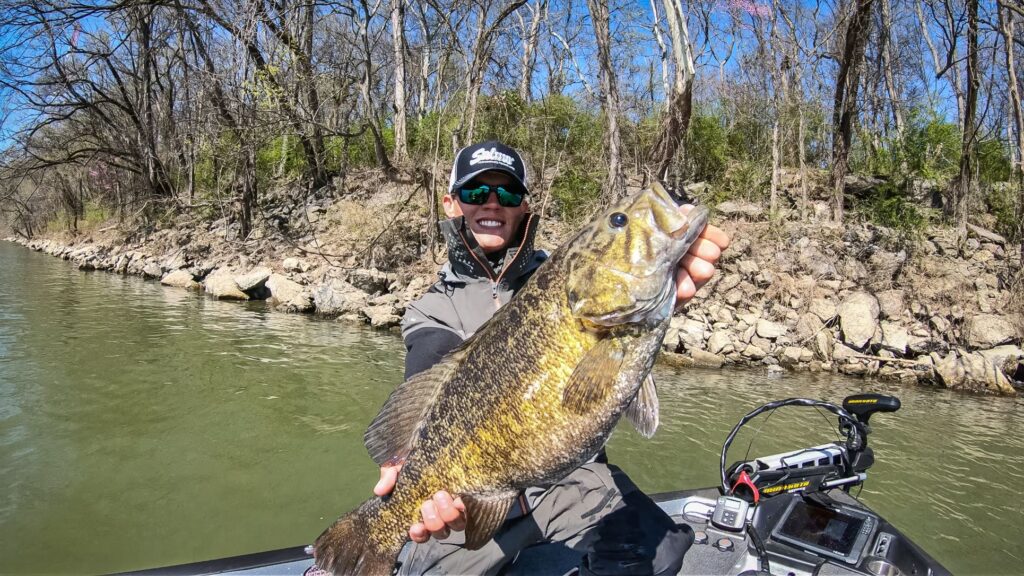
Smallmouth bass are very different from their larger relatives. Whereas largemouth bass lurk in the murk, smallmouth bass enjoy the clear water. This may incline you to believe they have a steadfast nature, but they are easily spooked. Therefore, light lines, small lures, and a slower presentation are required. Apart from this, they follow similar schedules and hide in the same areas as largemouth bass.

White
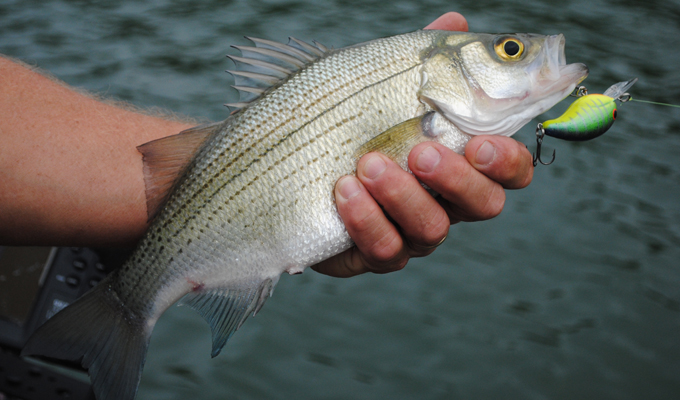
person holding a white bass with a hook in mouth
Courtesy of Alabama Outdoor News

While some anglers refer to white bass as sand or silver bass, one thing is certain: white bass make for a satisfying challenge and a delicious meal. But to best this fierce fish, there are a few best practices to follow.

The best time to fish for white bass is usually from mid-March through early May when water temperatures are low and there is measurable rainfall. Additionally, white bass is a schooling fish, so it is essential to change locations frequently until you find them.

Like humans, fish are particular about the bait they choose, and they may eat with their eyes. When angling for white bass, try swimbaits, alone or in combination, in white, silver, or chartreuse.

During pre-spawn and summer, try vertically jigging spoons and slabs off the bottom or over ledges, channel breaks, and deep water flats where white bass congregate. If you are fishing from the bank, try using a slip-bobber float with a live worm, minnow, or shad.

Casting for Crappie
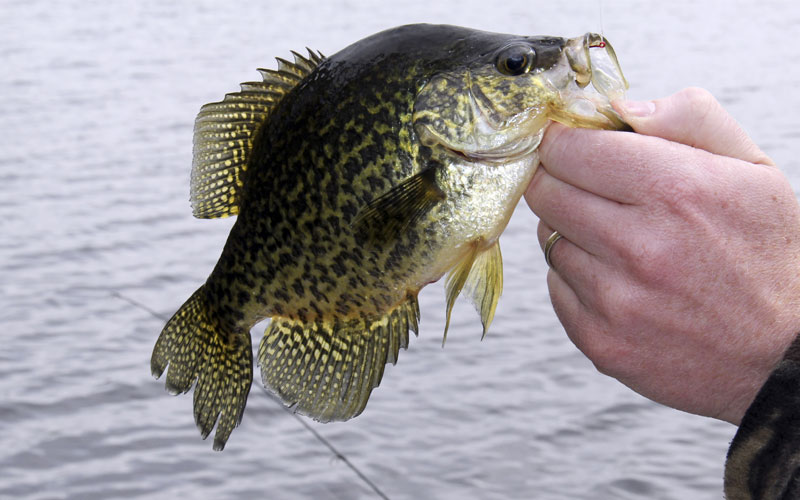
man with a ring holding a crappie fish
Courtesy of Virginia DWR

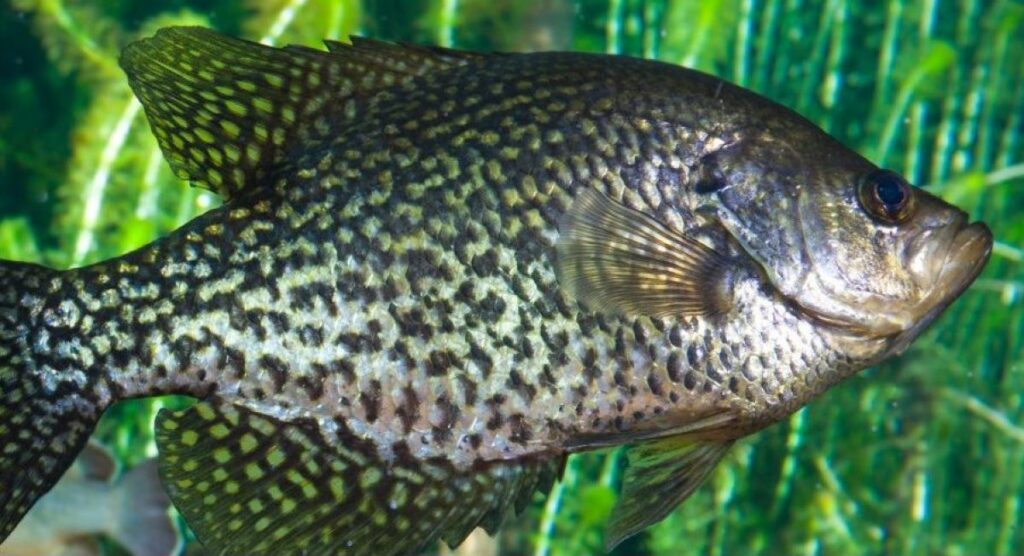
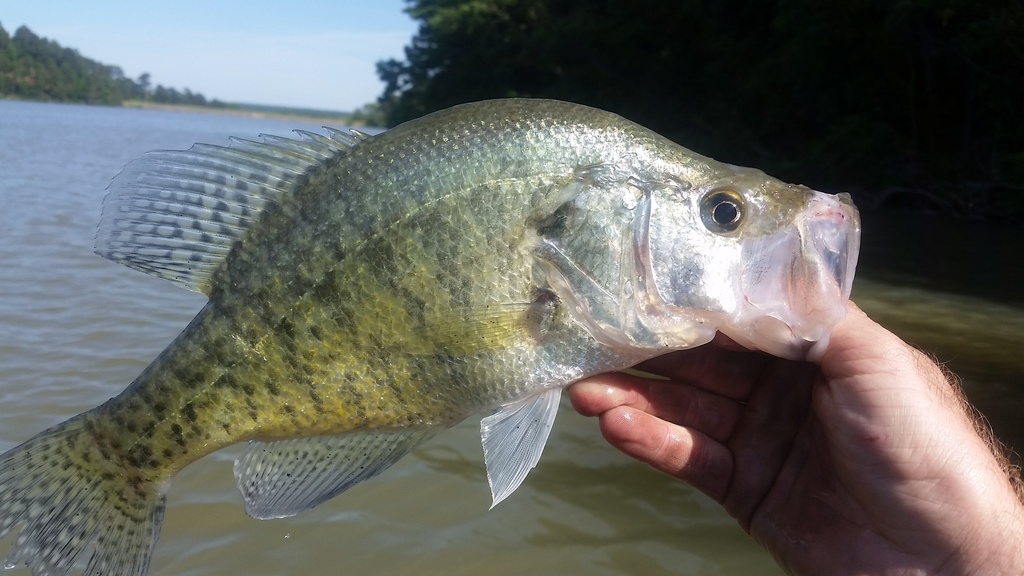
Crappie fishing is a popular pastime across the US throughout the year, but the catch largely depends on the environment. Although largemouth bass are known to prey on crappie, it does not necessarily mean that lakes with bass are unfavorable for crappie fishing. In some instances, a low bass population can lead to overpopulation of crappie and stunted growth due to limited space. So, surprisingly, a low crappie population may result in larger fish. Fort Loudoun Lake hosts a moderate fish population with healthy bass levels, so crappie should feel right at home.

To increase your chances of catching crappie, focus on deep structures or areas with woody cover where they feel protected and secure. Crappie tend to prefer environments that offer shelter, so weed beds, brushes, and submerged trees make ideal options. These areas are the best places to find crappie and make for a memorable fishing trip.

With this tacklebox of information and weather permitting, you’re sure to have a fun and prosperous time fishing on Fort Loudoun Lake.

Frequently Asked Questions

Fort Loudoun Lake is home to Largemouth, Smallmouth, and White bass.

Early morning and late evening are typically the best times to catch largemouth bass in Fort Loudoun Lake.

When fishing for smallmouth bass in Fort Loudoun Lake, use light lines, small lures, and a slower presentation, as they are easily spooked. Outside of this point, they follow similar schedules and hide in the same areas as largemouth bass.

The best time to fish for white bass in Fort Loudoun Lake is usually from mid-March through early May when water temperatures are low, and there is measurable rainfall.

When angling for white bass in Fort Loudoun Lake, try swimbaits, alone or in combination, in white, silver, or chartreuse. If you are fishing from the bank, try using a slip-bobber float with a live worm, minnow, or shad.

To increase your chances of catching crappie in Fort Loudoun Lake, focus on deep structures or areas with woody cover where they feel protected and secure, such as weed beds, brushes, and submerged trees.
Marinas near Lenoir City

Courtesy of WindRiver
  • The lakes near Lenoir City boast top-notch marinas:
    • Tellico Marina
    • WindRiver Marina
    • Fort Loudoun Marina
    • Choto Marina
    • Terrace View Marina

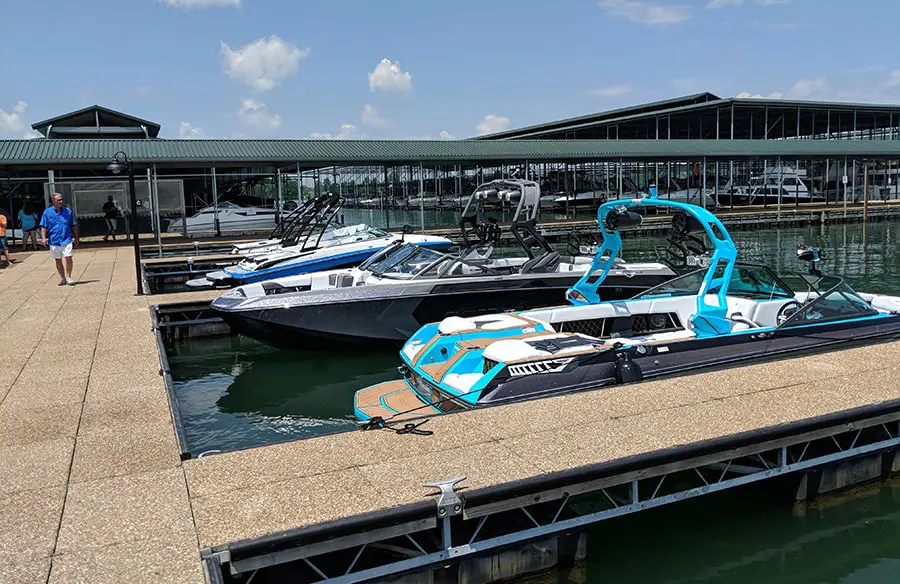
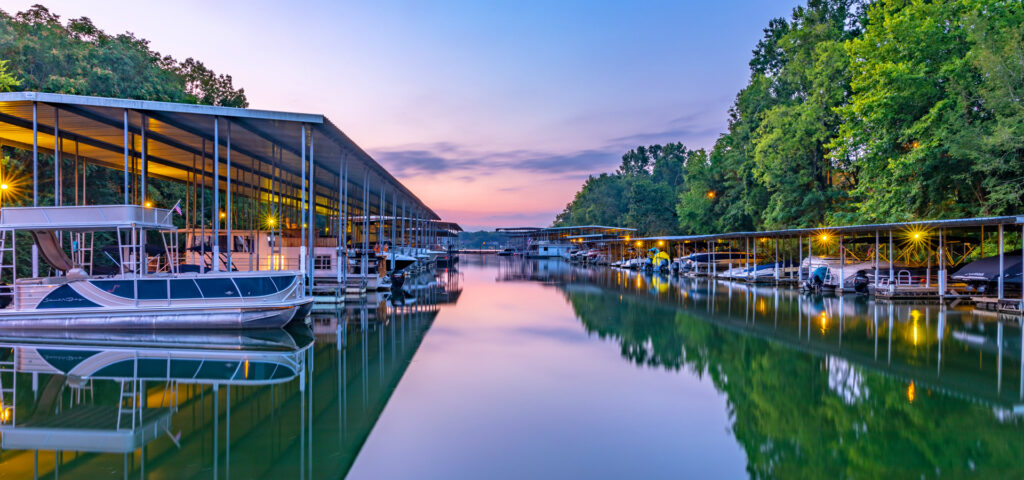
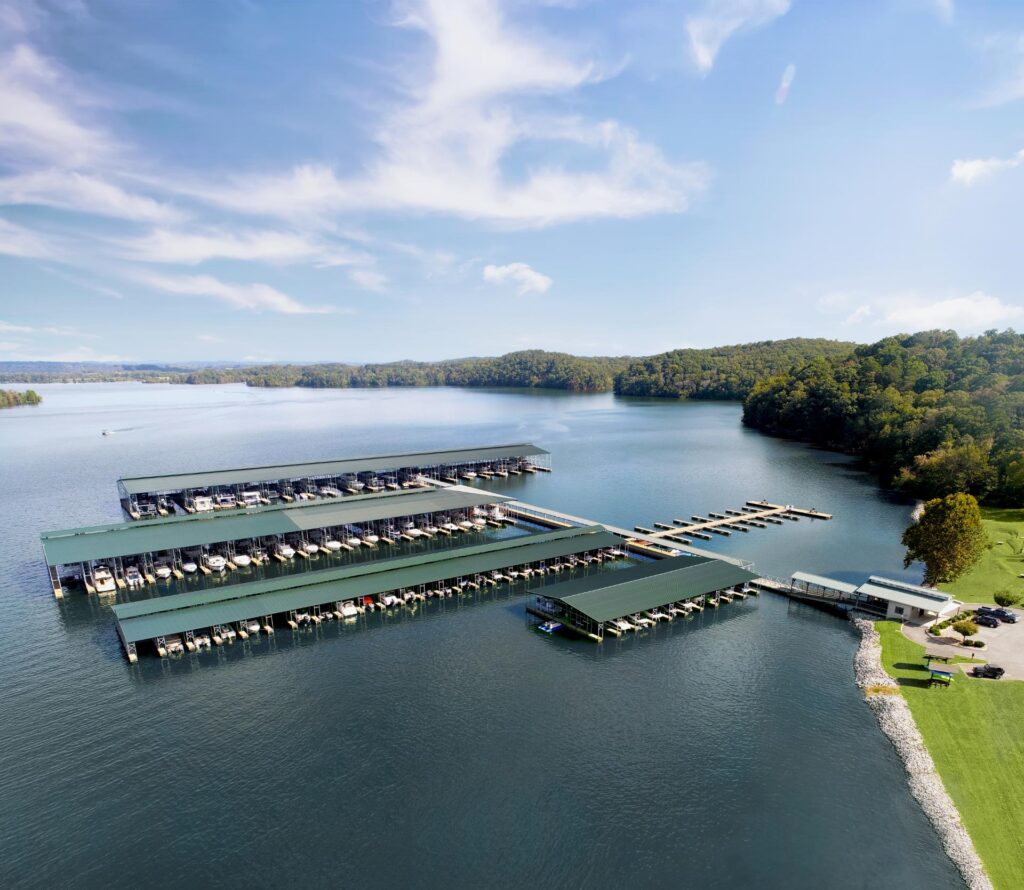
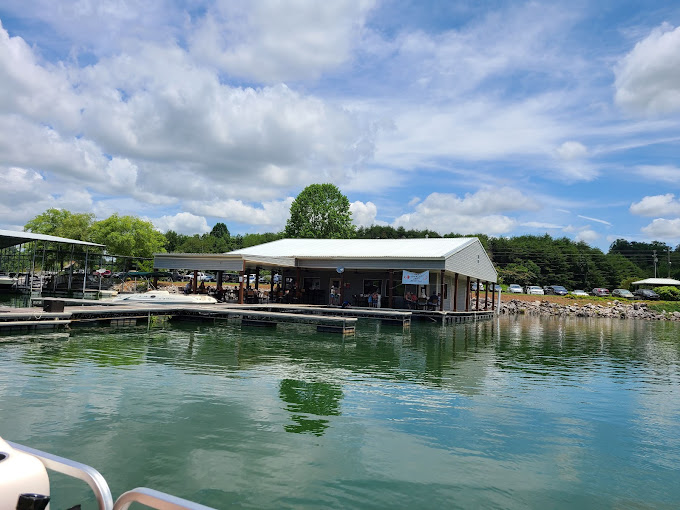
If you’re looking for an escape from everyday life, look no further than the marinas near Lenoir City, Tennessee. These marinas provide access to almost 70,000 acres — Fort Loudoun, Tellico, and Watts Bar — of prime water recreation and exploration, and they each offer their own set of services and activities. From boat storage options to fine dining and community events, the marinas and lakes near Lenoir City are a paradise for both boaters and landlubbers.

Tellico Marina

marina in water
Courtesy of Amanda Hagy

Surrounded by the legendary Smoky Mountains and stunning Fort Loudoun Park, Tellico Marina services Tellico Lake and the area’s boaters and non-boaters alike. Its Dockside Grill boasts delicious food and drinks with beautiful views of the lake. In addition to dining options, they host various events and activities, including horseshoes, golf tournaments, fishing tournaments, cove tie-off gatherings, and poker runs. Among these events, Tellico Marina also ends the season with a boat parade and fireworks display.

For boaters, Tellico Marina provides covered and uncovered wet and dry slips, along with trailer storage, private launch ramps, pump-out services, and year-round water. Fuel options include both regular and diesel fuel. Additionally, a ship store is available on the premises for all of your boating needs.

WindRiver Marina

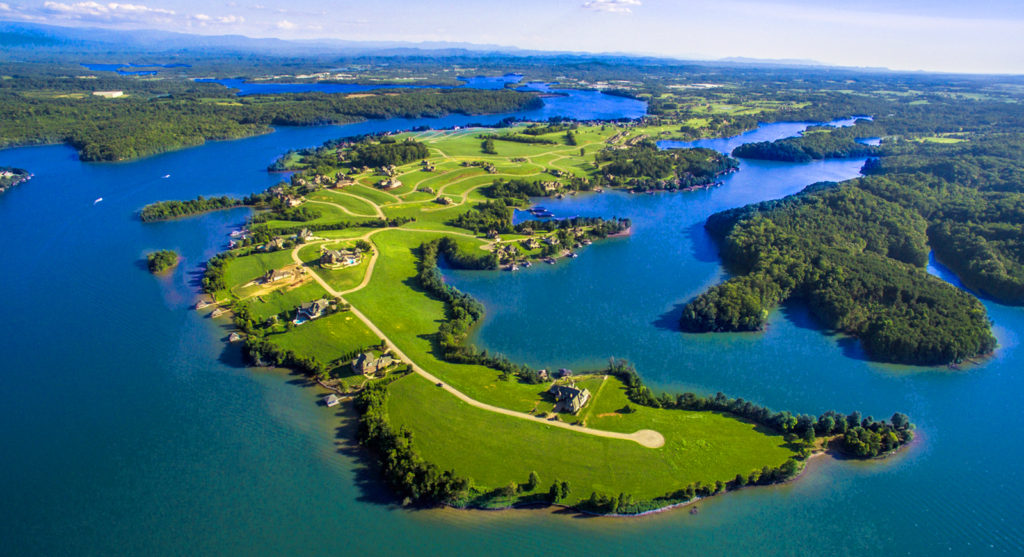
WindRiver is a master-planned gated community on the shores of 16,000-acre Tellico Lake offers an amenity-filled marina. It sits on the northern end of Tellico Lake just before Fort Loudoun Lake and features a vast stretch of water that’s perfect for watersports! If you’re looking for an excellent place to store your boat, their extra-wide floating docks range from 30–90-foot in-water slips. Their modernized docks include electricity, water, private restrooms, and fuel stations.

On land, WindRiver offers an exciting list of things to do. From wooded hiking trails to an 18-hole golf course, residents and members do not need the lake or a boat for a good time. The community also hosts tournaments, trivia nights, leagues, and scavenger hunts. At this time, a clubhouse is under construction near the shop and driving range. Whether you’re a resident of the WindRiver community or a marina member, the expansive boatyard and bustling culture are exceptional.

Fort Loudoun Marina

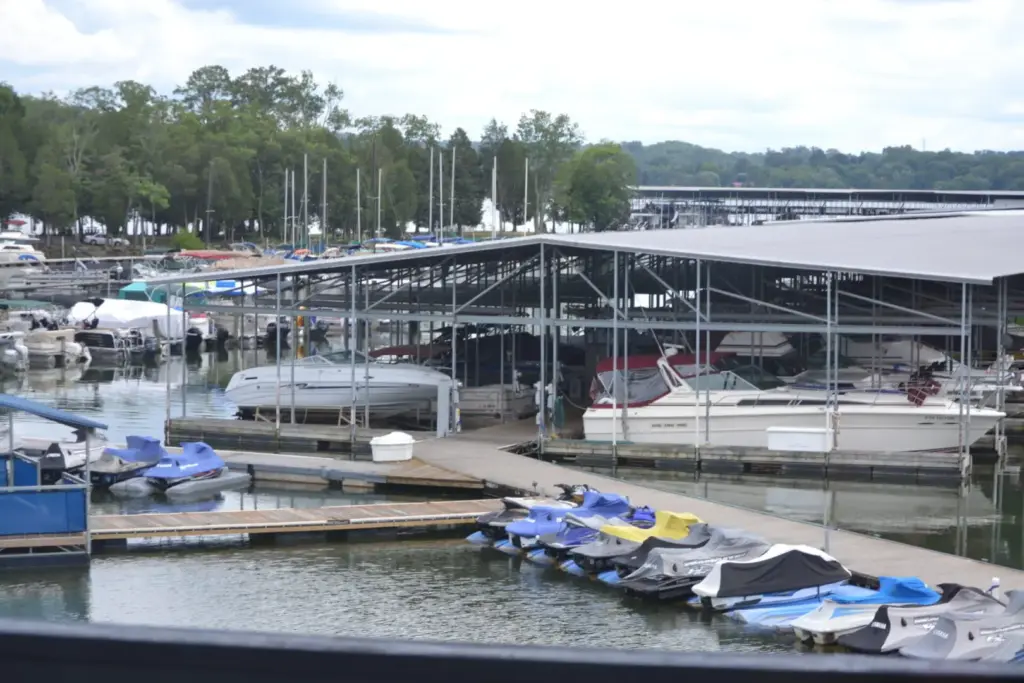
boats and jet skis in a marina
Courtesy of Fort Loudoun

Much like Tellico Lake, Fort Loudoun Lake hosts Fort Loudoun Marina, where Tellico meets Watts Bar. Established in the 1980s and located at mile marker 603, Fort Loudoun Marina is a family-oriented business ideal for boat storage and seasonal visitors. While you’re here, try state-favorite Calhoun’s, the taste of Tennessee, which purveys award-winning steaks and ribs. Plus,  you can enjoy the local fare while picnicking at nearby Lenoir City Park.

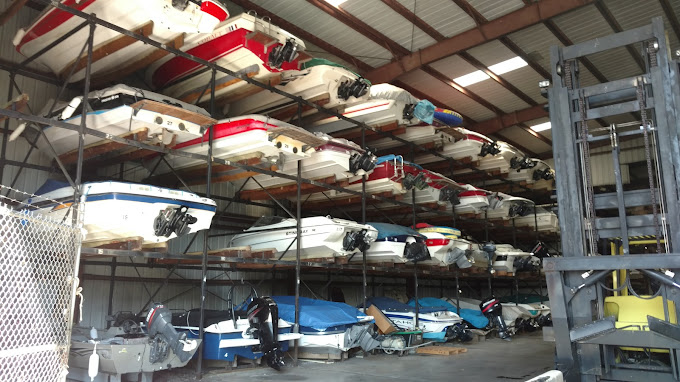
boats in dry storage
Courtesy of Nathan Nelson

As for boat storing options, Fort Loudoun Marina provides wet slips and an impressive dry storage facility that holds up to 200 boats. But if you’re just passing through, they also offer short-term slips for overnight stays on a daily, weekly, or monthly basis that fit vessels up to 70 feet. Whether you’re here for the day or the stay, Fort Loudoun Marina accommodates your every need.

Choto Marina

Courtesy of Choto

At mile marker 612.5 sits award-winning Choto Marina, voted Best Marina by Best of Knoxville in 2018 and 2019! One of Fort Loudoun Lake’s premier marinas, Choto exemplifies lake living. It provides both dry storage and wet slips to accommodate boats of all sizes, up to 70 feet. It features a fuel dock, ship store, and valet boat service, ensuring all of your boating needs are met. Dockside water and power, as well as wifi, are also available for added convenience. Members enjoy boat club perks, and it gives them an opportunity to try different types of vessels.

Whether you are a seasoned boater or just looking for a weekend getaway, these marinas are all excellent choices for exploring the lakes of eastern Tennessee. So, pack your bags and head to Lenoir City for an unforgettable boating experience!

Frequently Asked Questions

Tellico Marina offers covered and uncovered wet and dry slips, trailer storage, private launch ramps, pump-out services, year-round water, regular and diesel fuel options, and a ship store for boating needs. Additionally, it has Dockside Grill, which serves food and drinks and hosts events and activities such as horseshoes, golf tournaments, fishing tournaments, cove tie-off gatherings, and poker runs. It also has a boat parade and fireworks display at the end of the season.

WindRiver Marina is part of a gated community and offers extra-wide floating docks for in-water slips, a modern dock with electricity, water, private restrooms, and fuel stations. It also has wooded hiking trails, an 18-hole golf course, tournaments, trivia nights, leagues, and scavenger hunts for residents and members. A clubhouse is currently under construction near the shop and driving range.

Fort Loudoun Marina has wet slips and a dry storage facility that can store up to 200 boats. It also offers transient slips for overnight stays on a daily, weekly, or monthly basis and can fit vessels up to 70 ft.

Choto Marina, located at mile marker 612.5 on Fort Loudoun Lake, offers dry storage and wet slips for boats up to 70ft. It has a fuel dock, ship store, valet boat service, dockside water and power, and wifi for added convenience. It also gives members an opportunity to try different types of vessels and was voted Best Marina by Best of Knoxville in 2018 and 2019.

Master-planned communities offer numerous benefits, including access to a wide range of amenities, well-designed and maintained neighborhoods, a sense of community and belonging, increased safety and security, and the potential for increased property values. These communities are often planned with a focus on creating a balanced and sustainable lifestyle for residents, with features such as parks, walking and biking trails, community centers, and more.

Golf Courses Near Tellico and Watts Bar Lakes

Rarity bay golf course by Tellico Lake
Photo Courtesy of Rarity Bay
  • Top golf courses near Lakes Tellico, Fort Loudoun, and Watts Bar:
    • The Links at Kahite Golf Club
    • Rarity Bay Golf Club
    • Tanasi Golf Club
    • Tennessee National Golf Club
    • Toqua Golf Club

If you’re looking for an unforgettable experience, try pairing excellent golf with breathtaking views. Situated in east Tennessee, Tellico and Watts Bar Lakes boasts unparalleled golf courses nestled on the banks of pristine waters. So if you want to live the ultimate lake lifestyle, there’s no better place to start than on these greens.

The Links golf course by Tellico Lake
Photo Courtesy of Tellico Village

Welcome to Tellico Village’s newest 18-hole championship course. The Links at Kahite Golf Club is a nature enthusiast’s paradise that showcases stunning Tellico Lake and Smoky Mountain views. You’ll never tire of taking in the flawlessly-manicured Bentgrass greens and Bermuda fairways. Yet, even though the course may be easy on the eyes, it still presents plenty of challenges. For example, the course contains 93 total bunkers, and 12 of those are on hole number 18. So, it’s the perfect place to play if you want to up your game.

Rarity Bay Golf Club

Photo Courtesy of Rarity Bay

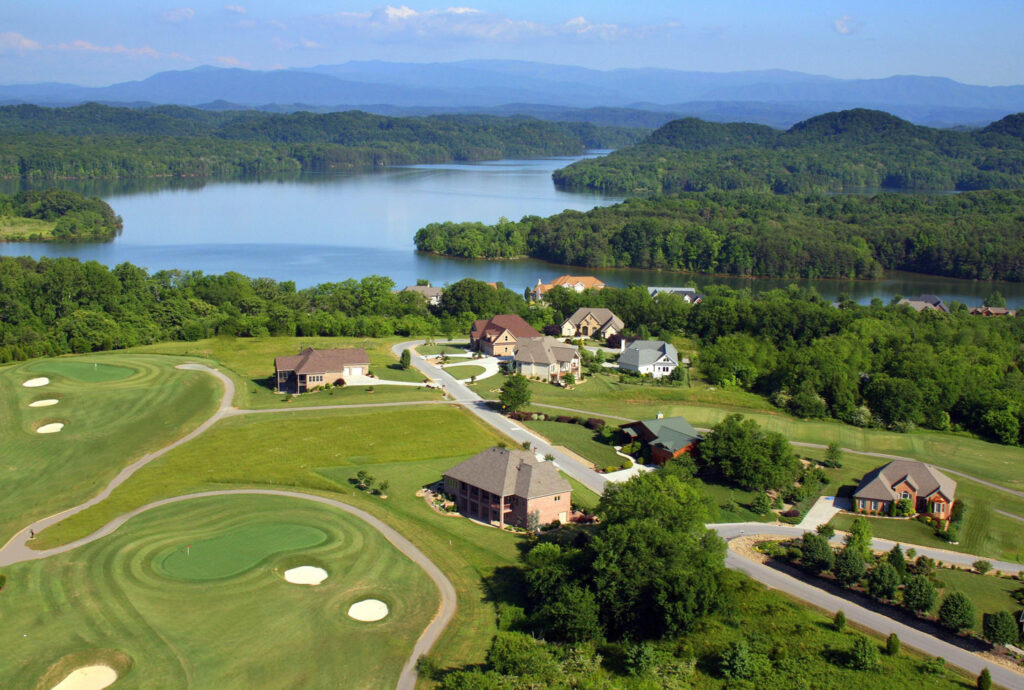
Nothing compares to golfing on 150 acres surrounded by Tellico Lake and backdropped by the Great Smoky Mountains. Designed by DJ DeVictor and Peter Langham, Rarity Bay Golf Club features 18 holes on gently rolling hills. You can find the course rates and information about annual memberships here. If you become an annual member, you receive the following privileges:

  • Unlimited use of driving range
  • 14-day advance tee times
  • Member can play in MGA, LGA, Couples, and Club events
  • Members may bring guests to play at the Guest Rate
  • Pro Shop merchandise discounts
  • Restaurant discounts
  • USGA Handicap establishment available

Tanasi Golf Club

Tansi golf course by Tellico Lake
Photo Courtesy of Tellico Village

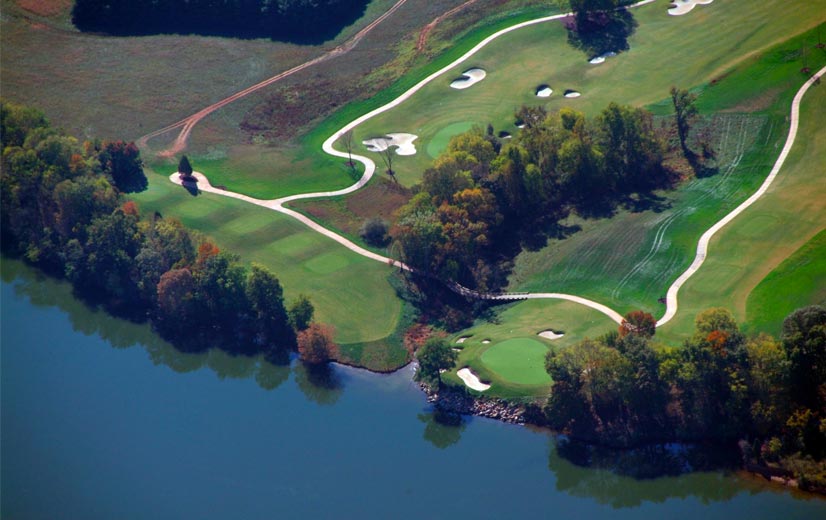
Showcasing Crenshaw Bentgrass greens and Bermuda fairways, Tanasi’s 18-hole course is a Tellico Village gem. Compared to the other two courses in the community, Tanasi features a more expansive layout and boasts larger greens. When you play on this breathtaking course, get ready for holes 8, 9, and 10, which offer some of the region’s most incredible lake views. But the course is not all looks and no books—the tough elevated greens and abundant bunkers pose plenty of challenges.

Tennessee National Golf Club

Photo Courtesy of Hampton Golf

Considered one of the top courses in the state, Tennessee National Golf Club is a premier golfing destination. Nestled on the banks of Watts Bar Lake, this Greg Norman Signature course has a walkable and private layout, offering the ultimate exclusive golfing experience. Plus, the course boasts spectacular amenities—perfect for families who want numerous options.

Toqua Golf Club

Photo Courtesy of Bergin Golf Designs

If you’re a fan of classic layouts, Toqua Golf Club could become your new favorite course. Originally built in 1987, the course underwent significant renovations in 2008. Today, this Tellico Village hotspot offers the best of both worlds—a traditional player-friendly layout with a fresh feel. Throughout the winding hills and valleys, the course features a variety of landscapes, from tree-lined holes to links settings on the lake.

  • Amenities: Driving range, short-game practice area, practice putting green, 6,800-square-foot clubhouse and restaurant
  • Location: 200 Toqua Club Way, Loudon, TN 37774
  • Contact: (865) 458-6546

Boasting stunning mountain vistas and exquisite lake views, these Tellico and Watts Bar courses offer the ultimate golfing experience.

The course contains 93 total bunkers, and 12 of those are on hole number 18.

Rarity Bay Golf Club was designed by DJ DeVictor and Peter Langham.

Tanasi Golf Club uses Crenshaw Bentgrass and Bermuda grass.

Watts Bar Lake Fishing Guide Part 2

Man fishing from boat on beautiful blue waters of Watts Bar Lake.
Photo Courtesy of Major League Fishing
  • Watts Bar Lake boasts excellent fishing prospects.
  • White and black crappie are prominent species.
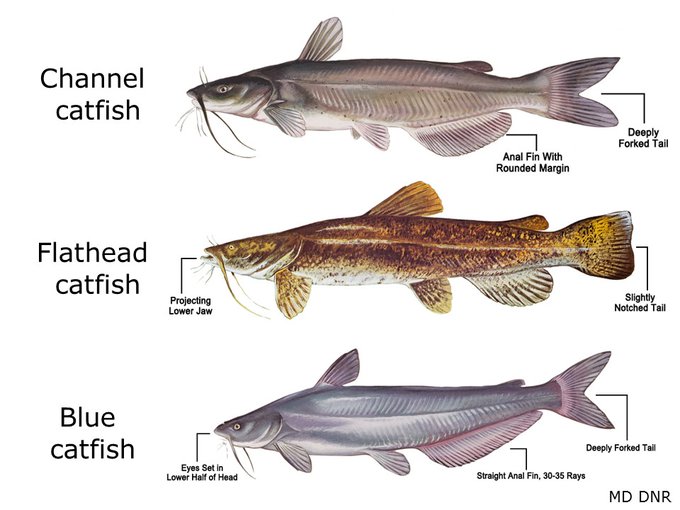
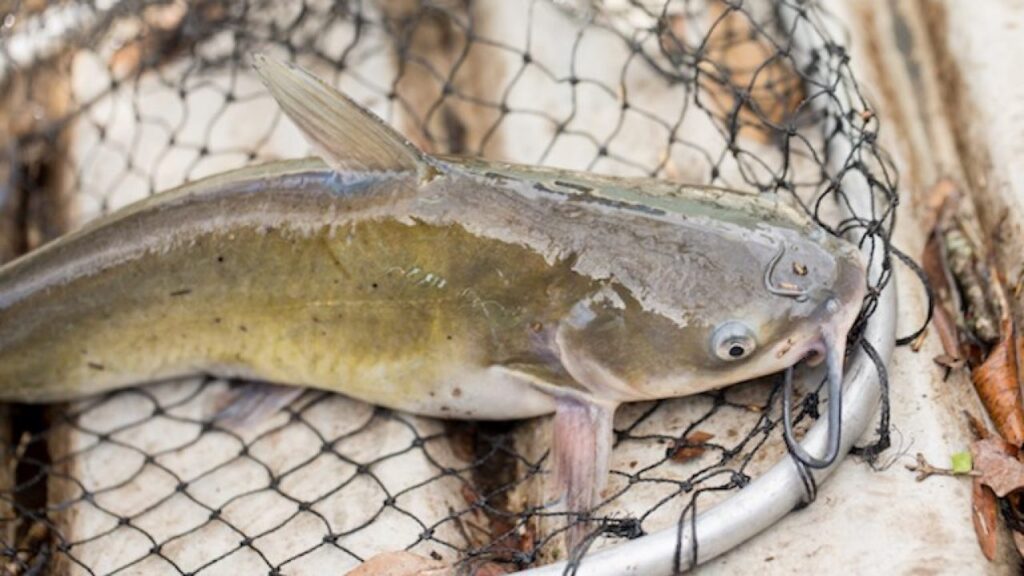
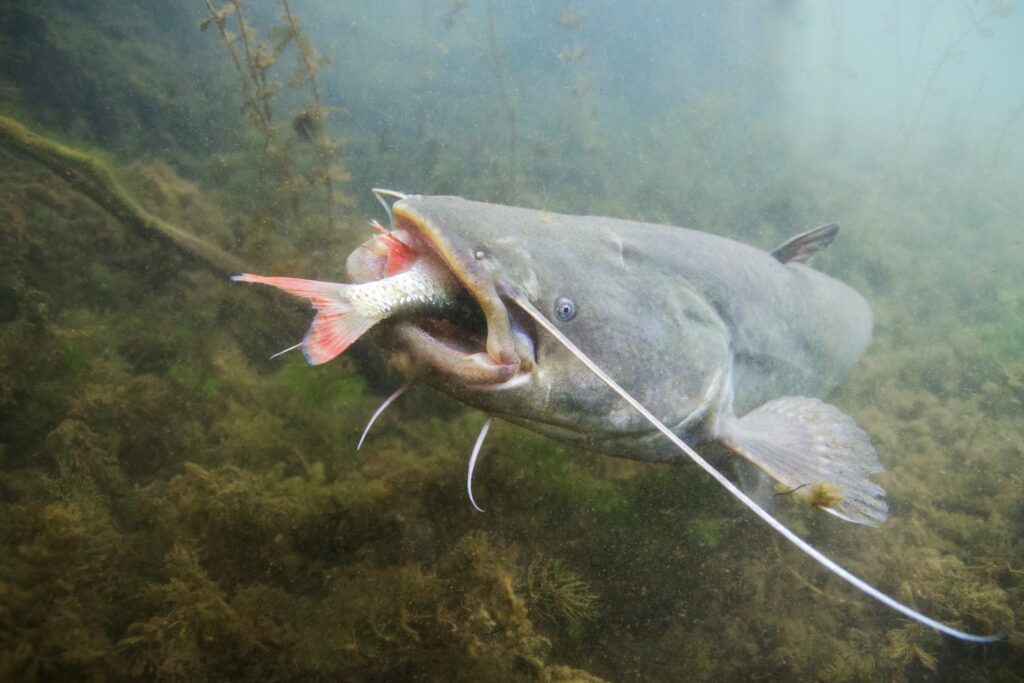
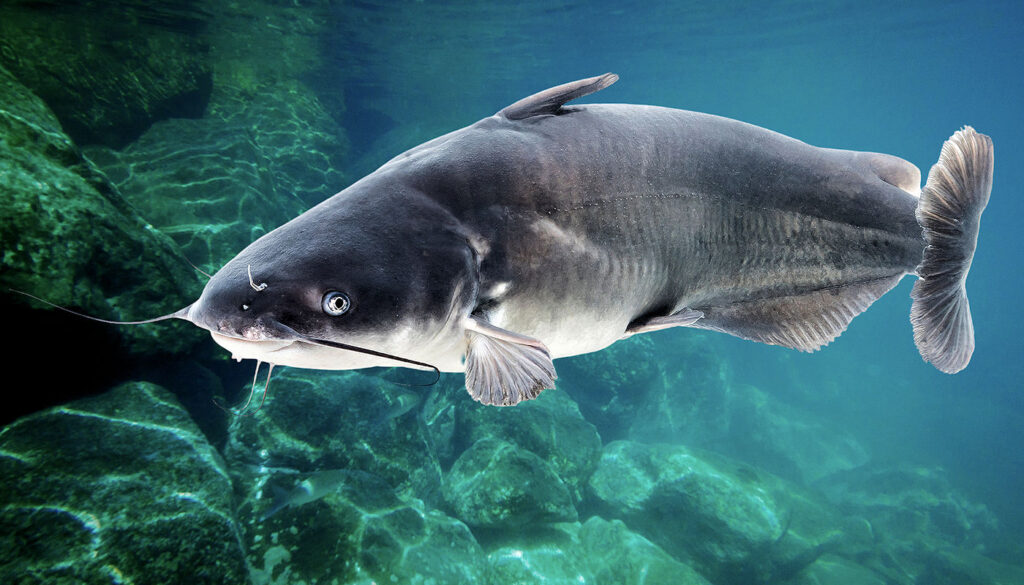
  • There are three types of catfish: channel, flathead, and blue.

In the previous installment of our Watts Bar Lake fishing guide, we discussed the lake’s favorable bass fishing conditions and compared various bass species. However, the fishing fun doesn’t end there. In fact, the reservoir holds the Tennessee state record for many species, such as bigmouth buffalo, short-nose gar, river herring, yellow true bass, and golden red horse. But in this installment of our Watts Bar Lake fishing guide, we will focus on the best tactics for catching crappie and catfish. Read on to learn the ideal baits and seasons for these coveted species.

Crappie

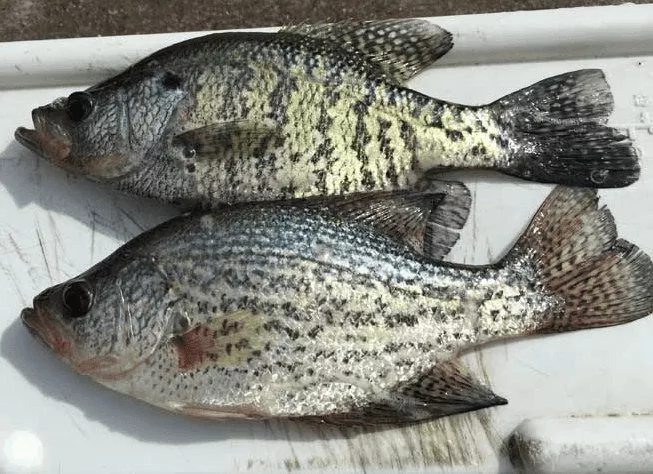
Black and white crappie
Photo Courtesy of US Angler

Back in the 1980s, white crappie harvests far exceeded black crappie catches. However, now anglers report reeling in an equal amount of these species. Crappie fishing generally peaks during the spawning period in early Spring, during March and April. White crappie usually spawn in 60-65 degree water, and black crappie spawn later when the temperatures reach 62-68 degrees.

During the early portion of the spawning period, crappie move toward the reservoir’s shallow areas. Fishermen will have the most success starting in the deeper water and trolling or spider rigging toward the lake’s shallow regions. As the spawning period progresses, anglers can fish directly in shallow water, casting around bushes, laydowns, or docks and using jigs with minnows and soft plastics. After the spawn, crappie will move back to deeper waters. Anglers report night fishing to be especially good in this post-spawning period. They advise fishing under docks or brush piles and casting with jigs and minnows.

Catfish

Graphic showing 3 types of catfish: channel, flathead, and blue
Photo Courtesy of Kate O’Reilly via Twitter

Anglers can catch catfish year-round at Watts Bar. Unlike neighboring lakes like Chickamauga, Watts Bar does not permit commercial fishing. Therefore, the reservoir’s catfish populations remain bountiful. Blue catfish are the lake’s most prominent species, followed by channel and flathead. In addition, the reservoir offers a healthy habitat of forage, which sustains the catfish population.

During the early Spring, anglers can target catfish by cruising the river channel. Meaty baits—such as shad, bluegill, shrimp, and chicken pieces—will yield the best results. When June rolls around, Watts Bar catfish enter the spawning period. Fishermen can locate them around rocky areas and use Ivory soap and Catalpa worms for bait. However, as the summer progresses, anglers should navigate the mid-lake to the Ft. Loudoun Dam areas and use meaty baits. These same tactics will also be effective for the fall and winter.

Now you know all the tricks for reeling in crappie and catfish on Watts Bar Lake. So pack up the cooler, hook up the boat, and get ready for some unforgettable fishing trips!

FAQs

White crappie usually spawn in 60-65 degree water, and black crappie spawn later when the temperatures reach 62-68 degrees.
Unlike neighboring lakes like Chickamauga, Watts Bar does not permit commercial fishing.

Blue catfish are the lake’s most prominent species, followed by channel and flathead.

Watts Bar Lake Fishing Guide

Man fishing in boat on Watts Bar Lake with man filming him.
Photo Courtesy of The CW Chattanooga
  • Watts Bar Lake is a top Tennessee fishing reservoir.
  • Wesley Strader believes the lake will continue to become more renowned for its fishing conditions.
  • Common bass species include largemouth, smallmouth, striped, spotted, and white bass.

Tennessee lakes showcase the country’s finest sport fishing. Each year, the state receives around 50 inches of rainfall, creating hundreds of miles of watershed. In addition to eight thousand miles of streams, the state boasts 22 large lakes comprising over half a million acres combined. These Tennessee lakes feature mild winters and contain almost all common game fish. Watts Bar Lake especially boasts the best of these Tennessee fishing conditions. Situated outside of Knoxville, this Tennessee gem displays miles of unspoiled natural lake landscapes. So if you want to reel in a trophy fish on these pristine waters, check out our Watts Bar Lake fishing guide!
Why Fish Watts Bar?

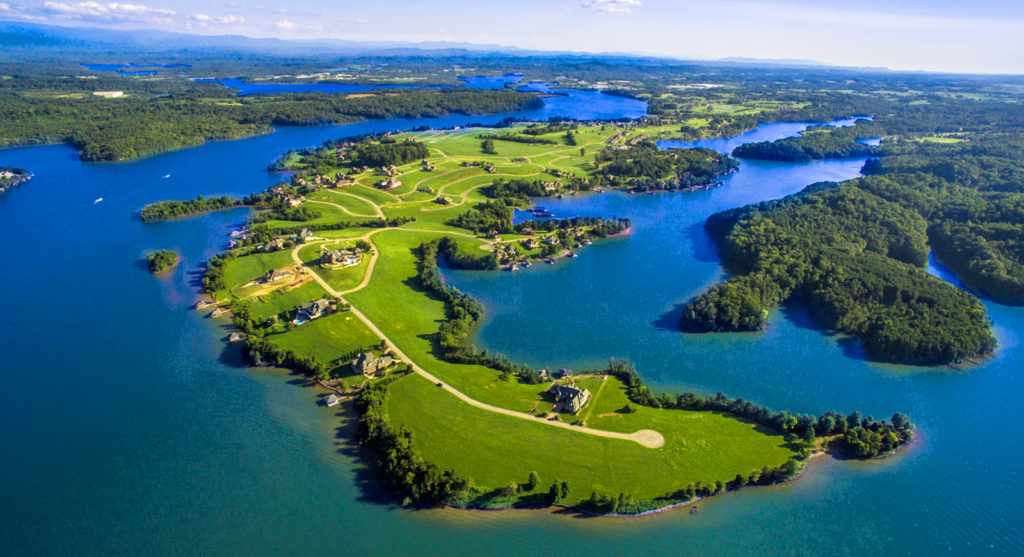
Watts Bar Lake in Tennessee, showcasing blue waters and green vegetation.
Photo Courtesy of Galleries | Ron Lowery

Watts Bar Lake was completed in 1942 by impounding the Tennessee River. Today, the lake has a surface area of 39,600 acres and 722 miles of shoreline. The reservoir connects to many tributaries—such as the Clinch River, White’s Creek, Emory River, and Piney Creek—which enhance its biodiversity.

Each year, more people recognize Watts Bar Lake as a top fishing destination. Wesley Strader—a Bass Pro Tour Angler—grew up fishing on Watts Bar Lake. Even after participating in hundreds of tournaments, Strader still believes his home reservoir boasts premier fishing conditions. He states, “I don’t think; I know that Watts Bar Lake is about to be the new Lake Chickamauga in about five years. The combination of the grass coming back that was killed off 30 years ago, plus the influx of Florida strain largemouths, will make Watts Bar a go-to lake in Tennessee. I can’t wait to see what the future holds for it. Maybe we’ll see an MLF event here one day.”
Common Fish Species

Pro fishermen holding up two largemouth bass.

Watts Bar Lake contains many fish species, including bass, crappie, catfish, bluegill, redear, sauger, walleye, yellow perch, and muskie. If you want to know the best tactics for reeling in these fish, check out these top tips!

Bass

graphic that shows five bass species, including largemouth, smallmouth, striped, spotted, and white
Photo Courtesy of Dan Barnett

Watts Bar Lake boasts the best fishing prospects between April and November, and the top months to catch bass are May and October. Largemouth bass fishing is legendary on Watts Bar, and other bass varieties are also abundant.

Largemouth bass

Man holding a largemouth bass
Photo Courtesy of News Channel 9
  • Spring: During the spawning months (March-May), largemouth bass are in shallow banks with woody cover, rock, or boat docks. Topwater lures, weightless soft plastic worms, and Texas-rigged creature baits are the best options for these months.
  • Summer: The largemouth bass move to deep points, structures off the bank, and breaks near the main river channel. Many anglers have success fishing at night. The best bait options are Carolina-rigged worms, crankbaits, flutter spoons, and jigs.
  • Fall: Fish congregate in the backs of creeks with high shad concentrations. Spinnerbaits, square-billed crankbaits, plastic worms, buzz baits, and chatter baits are effective.
  • Winter: Bass migrate to the lower end of the lake, schooling around the migrating shad. Jigging spoons, A-rigs, and swimbaits work well.

Smallmouth bass

teenager holding a smallmouth bass
Photo Courtesy of Major League Fishing
  • The mid to lower portions of the lake provide the best smallmouth bass opportunities.
  • Spring: Anglers should target rocky points and flats adjacent to deep water. Crankbaits, jigs, jerk baits, and soft plastics are effective.
  • Summer: Fishermen can use the same baits from spring but target humps, ledges, points, and rocky banks.
  • Fall: The key to success is fishing on rocky points with access to deep water.
  • Winter: Smallmouth bass congregate in deep water near points, ledges, and steep banks. The float’n fly method produces quality catches during these months.

Spotted bass

hand holding a spotted bass
Photo Courtesy of Bass Fishing Trips
  • Many of the same tactics that work for smallmouth bass yield excellent results when fishing for spotted bass.
  • Anglers should fish in areas with rocky substrates and use crayfish, shad, and aquatic insects.
  • It’s important to remember that spotted bass rely heavily on their eyesight, so they congregate in clearer waters.

Striped bass

man with glasses and hat holding a striped bass
Photo Courtesy of Let’s Fish via Youtube
  • Watts Bar striped bass are challenging but rewarding to catch; it is not uncommon to find twenty-pound stripers in the lake.
  • Anglers will often find this species near the upper ends of the reservoir along the Ft. Loudoun and Melton Hill Dams.
  • Spring: Fishermen have success drifting or trolling with live shad in the river channel.
  • Fall: Striped bass move to the main lake area. Crankbaits, spoons, and swimbaits are effective.

White bass

hands holding a white bass
Photo Courtesy of Karl’s Bait & Tackle
  • Anglers can find white bass in the middle and upper segments of the lake.
  • Spring: This is the ideal season to fish for Watts Bar white bass. Top bait options include crankbaits, spinners, small swimbaits, and jigs.
  • Summer: Bass congregate in the middle of the lake. During the evening, they surface feed on baitfish—an activity referred to as “the jumps.” During this season, topwater lures, spoons, and spinner-type lures yield excellent results.
  • Fall: White bass are found throughout the lake, but the tailwater and flats off the main river channel offer the best prospects. Fathead minnows, gizzard shad, and golden shiners are great bait options.

With this Watts Bar Lake Fishing Guide, you know all the best tactics for catching bass in this top Tennessee reservoir. But, if you want to learn tips for other species—such as crappie, catfish, bluegill, redear, sauger, walleye, yellow perch, and muskie—stay tuned for part two!

FAQs

 Each year, the state receives around 50 inches of rainfall, creating hundreds of miles of watershed.

Watts Bar Lake has a surface area of 39,600 acres and 722 miles of shoreline.

 The reservoir connects to many tributaries—such as the Clinch River, White’s Creek, Emory River, and Piney Creek—which enhance its biodiversity.

Largemouth, smallmouth, striped, spotted, and white bass.

Watts Bar Lake boasts the best fishing prospects between April and November.

The top months to catch bass on Watts Bar Lake are May and October.

Family Home Hotspot: East Tennessee Lakes

Older woman and man fish with three grandchildren at the lake.
Photo Courtesy of Shutterstock | Monkey Business Images
  • These three Tennessee lakes are great for raising children and hosting grandchildren:
    • Tellico Lake
    • Fort Loudoun Lake
    • Watts Bar Lake

Imagine living on pristine waters near premier cities and college football games. You invite the whole family to go boating on the lake and spend evenings together at top-rated waterfront restaurants. This is what life is like in the ultimate family home hotspot: east Tennessee lakes. Nestled near Knoxville, Lakes Tellico, Fort Loudoun, and Watts Bar showcase the state’s finest lake living and provide many family recreation and relaxation opportunities. So whether you want to spend Saturdays cheering on The Volunteers or taking a day trip to Atlanta, Nashville, or Charlotte, you are in the ideal location. If this sounds like your ultimate lifestyle, learn more about why these three lakes are perfect for gathering as a family.

For the Family Looking for a Retirement Home: Tellico Lake

An aerial shot of Tellico Lake in Tennessee, featuring large homes and clear blue waters.
Photo Courtesy of Karen Packett

With top-notch communities such as Tellico Village and Rarity Bay, Tellico Lake attracts retirees from all over the nation. Although Tellico Village is more exclusively a retirement destination than Rarity Bay, both feature attractive amenities, such as recreational facilities, wellness centers, golf courses, hiking trails, marinas, and more. Many locals also enjoy hosting progressive dinners, participating in sporting events, and going on boating adventures. In addition to these activities, retirees love sipping coffee on the back porch while soaking in the magnificent Smoky Mountains views. A Tellico Lake home is an unparalleled place to host children and grandchildren. They can enjoy boating, kayaking, skiing, and tubing on the water and have quick access to major Southeastern metropolitan hotspots. With all this fun and more, the entire family will never want to miss a trip to Tellico Lake!

For the Family Who Loves Local Events: Fort Loudoun Lake

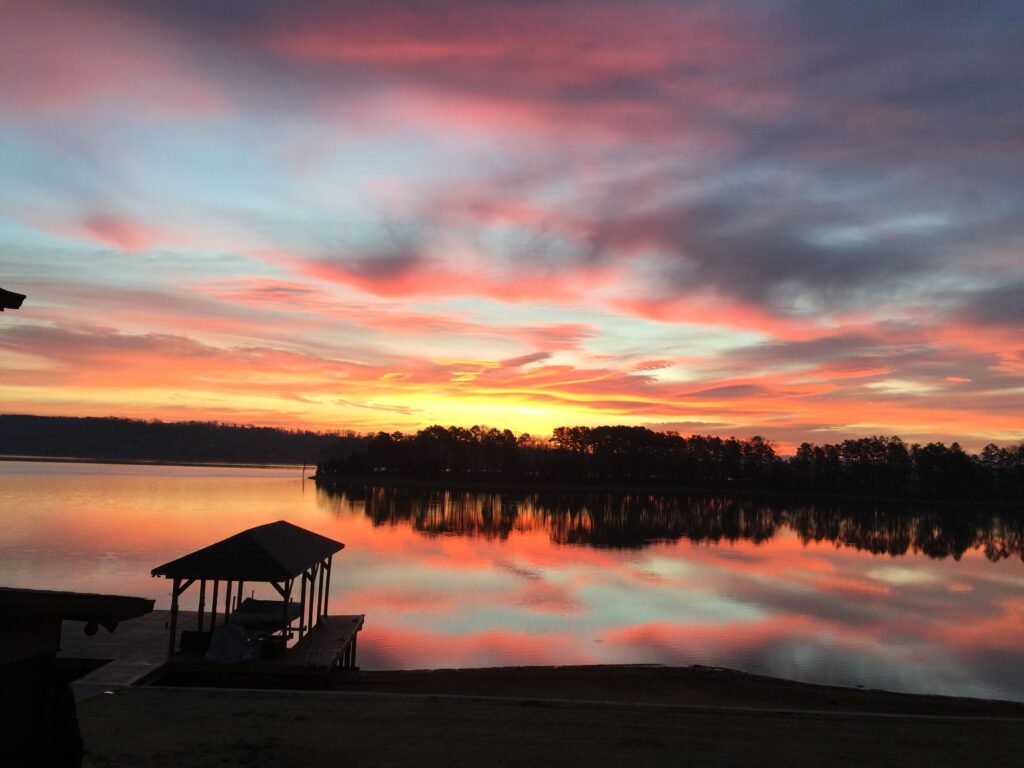
An orange and pink sunset over Fort Loudoun Lake.
Photo Courtesy of Karen Packett

Fort Loudoun Lake has been synonymous with family from its earliest days. The lake derives its name from the 18th-century British fort constructed during the French and Indian War. At one point during the war, many Cherokee tribes abandoned the fort to fight skirmishes against the French. Their departure left the British significantly more peacetime than they had experienced before. As a result, soldiers’ wives journeyed to live at the fort, and several had children. Many believe their offspring to be the first English children born west of the Appalachian Mountains.

Today, families love attending the numerous festivals and fishing tournaments that occur every year on Fort Loudoun Lake. Known as a boat-centric lake, Fort Loudoun hosts dragon boat races and the annual Rockin’ The Docks—a favorite local event featuring food, fireworks, and live music. Plus, each year, the lake residents celebrate the Fourth of July, Memorial Day, and Labor Day together. These events offer meaningful opportunities to gather as a family and stay in touch with loved ones.

For the Family Who Loves the Outdoors: Watts Bar Lake

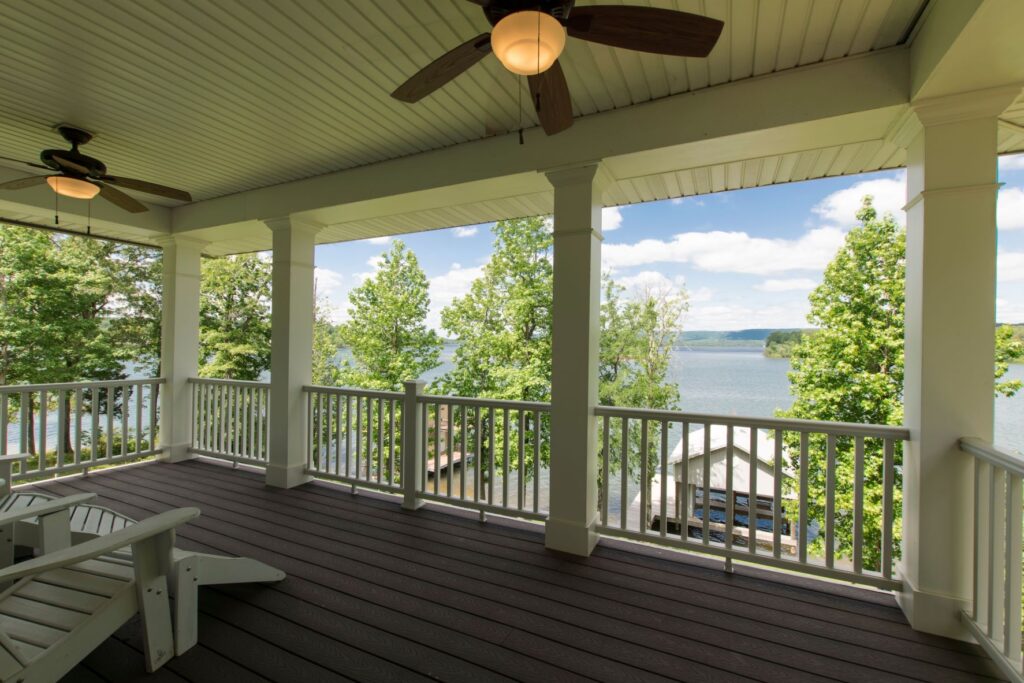
Photo of Watts Bar Lake taken from a lake home balcony featuring large white columns and wooden floors.
Photo Courtesy of Karen Packett

Spanning 39,000 acres, Watts Bar is the size of Tellico and Fort Loudoun combined. The lake typically attracts younger families than the other two and boasts vibrant waterfront restaurants and natural landscapes. Consisting of many wild, undeveloped areas, Watts Bar is ideal for families looking to experience peaceful, rural lake life. Watts Bar Lake is one of the most popular fishing lakes in east Tennessee, and it offers bountiful opportunities for catching striper, largemouth bass, crappie, catfish, and spotted bass. Plus, it provides excellent duck hunting opportunities in the winter and birdwatching endeavors year-round. If you value teaching your children and grandchildren about fishing and wildlife, there’s no better place to live than Watts Bar Lake.

Although Lakes Tellico, Fort Loudoun, and Watts Bar feature different specialties, they are all experts in one thing—being a family home hotspot. So, whether you’re raising kids or hosting the grandkids, there’s no better place to live than on an east Tennessee lake!

FAQs

Atlanta, Nashville, and Charlotte make for an easy day trip for Lakes Tellico, Fort Loudoun, and Watts Bar residents.

With top-notch communities such as Tellico Village and Rarity Bay, Tellico Lake attracts retirees from all over the nation.

Although Tellico Village is more exclusively a retirement destination than Rarity Bay, both feature attractive amenities, such as recreational facilities, wellness centers, golf courses, hiking trails, marinas, and more. Many locals also enjoy hosting progressive dinners, participating in sporting events, and going on boating adventures.

The Cherokees’ departure left the British significantly more peacetime than they had experienced before. As a result, soldiers’ wives journeyed to live at the fort, and several had children. Many believe their offspring to be the first English children born west of the Appalachian Mountains.

Today, families will love attending the numerous festivals and fishing tournaments that occur every year on Fort Loudoun Lake. Known as a boat-centric lake, Fort Loudoun hosts dragon boat races and the annual Rockin’ The Docks—a favorite local event featuring food, fireworks, and live music. Plus, each year, the lake residents celebrate the Fourth of July, Memorial Day, and Labor Day together.

Spanning 39,000 acres, Watts Bar is the size of Tellico and Fort Loudoun combined.

Watts Bar Lake is one of the most popular fishing lakes in east Tennessee, and it offers bountiful opportunities for catching striper, largemouth bass, crappie, catfish, and spotted bass. Plus, it provides excellent duck hunting opportunities in the winter and birdwatching endeavors year-round.

Lenoir City: “Lake Capital of the South”

Downtown Lenoir City, located in Tennessee---the Lake Capital of the South.
Photo Courtesy of  Kozar Design Team 
  • Lenoir City, TN, is the “Lake Capital of the South”
    • Quick access to Lakes Tellico, Fort Loudoun, and Watts Bar
    • Stunning lake communities, such as Rarity Bay and Tellico Village
    • Excellent waterfront dining and annual lake events

Nestled in eastern Tennessee, Lenoir City showcases a bustling downtown and numerous recreational opportunities. As Joe Spence, Loudon County historian, explains, “Lenoir City originated from a 5,000-acre plot of land given to General William Lenoir by the state of North Carolina for his services in the Revolutionary War.” Over time, General Lenoir’s children and those who came after expanded the land into a thriving city. 

Joe Spence attributes Lenoir City’s rapid growth to its quick access to the railroad and river. And certainly, water has always proven instrumental in Lenoir City’s development. Today, the city contains three outstanding lakes—Tellico, Fort Loudoun, and Watts Bar. Lenoir City’s easy lake access, upscale waterfront communities, and vibrant lake-centric culture truly make it the “Lake Capital of the South.” 

Lake Access

A stunning large home on Tellico Lake in Tennessee.
Photo Courtesy of KAARMLS.com

First, Lenoir City bears the title of “Lake Capital of the South” because of its proximity to three spectacular Tennessee lakes—Tellico, Fort Loudoun, and Watts Bar. Lenoir City residents have direct access to Fort Loudoun and Tellico Lakes and only drive 20 minutes to visit Watts Bar Lake. Also, Lenoir City citizens can spend a day at nearby lakes, including  Melton, Hill, Norris, and Douglas, all within a 15 to 60-minute drive. 

Completed in 1979 by the Tennesse Valley Authority (TVA), Tellico Lake spans 15,560 acres and features 357 miles of shoreline. Locals and visitors often refer to it as “one of the cleanest lakes in Tennessee.” Moreover, with the Smoky Mountains as its magnificent backdrop, Tellico Lake boasts some of the most stunning views in the state. So if you are looking for a place to settle down or retire, Tellico Lake is ideal. 

Fort Loudoun Lake, completed by the TVA in 1943, is a nature lover’s oasis. Located in the headwaters of the Tennessee River, the lake stretches 55 miles upstream from the dam to the Holston and French Broad rivers. Fort Loudoun Lake contains 14,600 acres of pristine waters, perfect for bass fishing, boating, and birdwatching

The largest of the three Lakes, Watts Bar spans 39,000 acres and features 722 miles of shoreline, making it one of the South’s largest lakes. Created by the TVA in 1942, Watts Bar Lake is pure views, featuring rolling hills and dense forests. Also, interestingly enough, you could fit Tellico and Fort Loudoun Lakes in Watts Bar. So this is the lake for you if you want plenty of room for all your favorite recreational activities

Lake Communities

Photo Courtesy of Rarity Bay

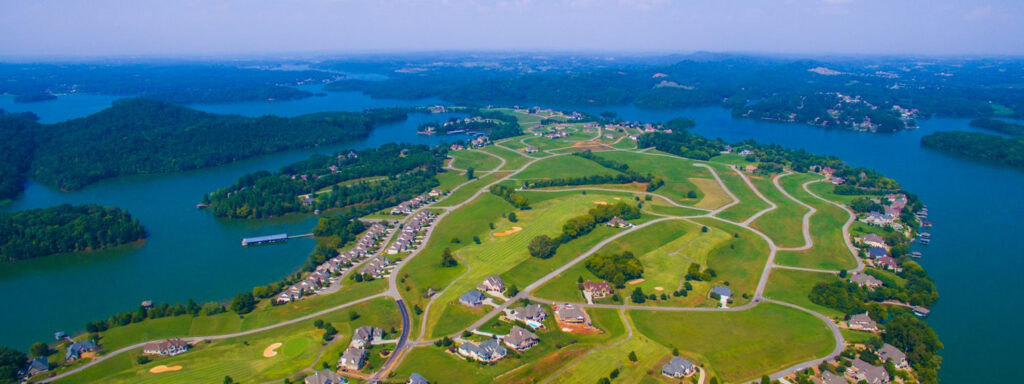
Second, Lenoir City is the “Lake Capital of the South” because it contains many luxurious and upscale lake communities. Some of the most notable include Tellico Village, Rarity Bay, Emerald Point, Lashbrooke, Montgomery Cove, Mallard Bay, Jefferson Park, Grande Vista Bay, The Docks at Caney Creek, Rivermyst, and Lakefront Estates. Most of these communities feature resort-style living, with golf courses, marinas, restaurants, wellness centers, and more. If you long to live the laidback lake lifestyle, any of these scenic settings make an idyllic home. 

Lake Culture

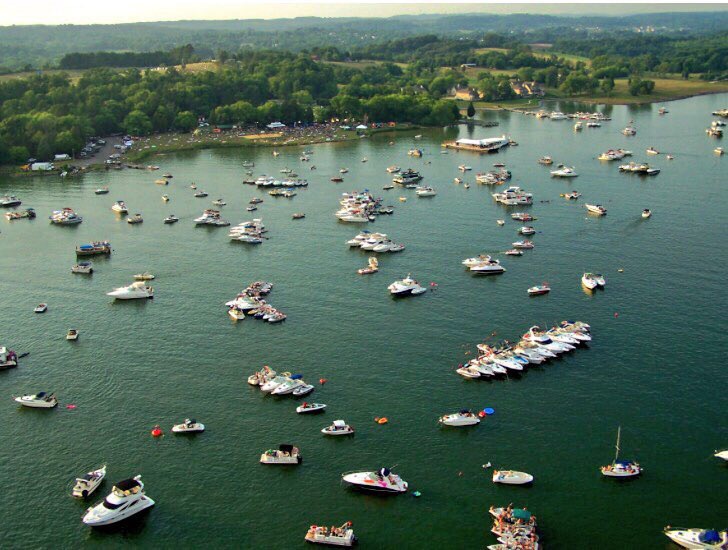
Boats scattered across Watts Bar Lake at Lenoir City's Rockin' the Docks annual event.
Photo Courtesy of Visit Loudon County

Finally, Lenoir City is the “Lake Capital of the South” because the lake lifestyle permeates every aspect of the Lenoir City culture. As historian Joe Spence elucidates, whereas the river used to be Lenoir City’s lifeline, today, its lakes are its gems. Most Lenoir City residents spend their weekends at Tellico, Fort Loudoun, or Watts Bar Lakes, relaxing and engaging in recreational activities. They also enjoy dining in the city’s numerous waterfront restaurants, including hotspots such as Calhoun’s at the Marina, Tellico Village Yacht Club, and Lakeside Tavern. Additionally, annual events such as Rockin’ the Docks—pictured above—heighten the city’s affinity for its lakes. Rockin’ the Docks is a beloved local event that showcases fireworks, live music, and food and provides a snapshot of the carefree Lenoir City lake life. 

Now, you know why Lenoir City lives up to its cherished nickname. So what are you waiting for? Pack the lake toys, hook up the boat, and experience the picturesque “Lake Captial of the South” for yourself! 

Lenoir City, TN, is the “Lake Capital of the South” because it contains many luxurious and upscale lake communities. Some of the most notable include Tellico Village, Rarity Bay, Emerald Point, Lashbrooke, Montgomery Cove, Mallard Bay, Jefferson Park, Grande Vista Bay, The Docks at Caney Creek, Rivermyst, and Lakefront Estates.

Lenoir City, TN, has numerous waterfront restaurants, including hotspots such as Calhoun’s at the Marina, Tellico Village Yacht Club, and Lakeside Tavern.

Rockin’ the Docks is a beloved local event that showcases fireworks, live music, and food and provides a snapshot of the carefree Lenoir City lake life. 

Tellico Lake spans 15,560 acres and features 357 miles of shoreline.

Fort Loudoun Lake stretches 55 miles upstream from the dam to the Holston and French Broad rivers. Fort Loudoun Lake contains 14,600 acres of pristine waters, perfect for bass fishing, boating, and birdwatching.

Watts Bar spans 39,900 acres and features 722 miles of shoreline, making it one of the South’s largest lakes.