
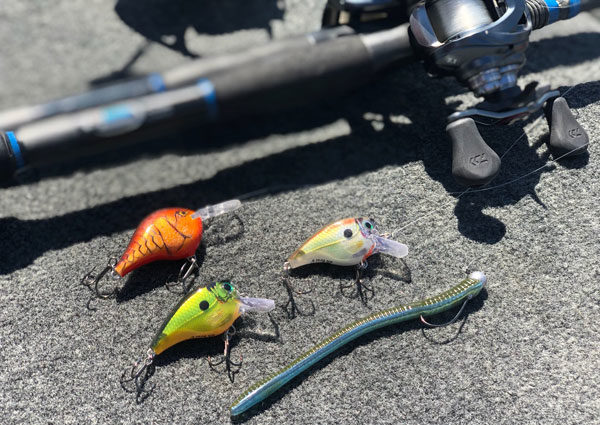
- A local favorite fishing locale, Fort Loudoun Lake teems with life:
- Bass
- Largemouth, Smallmouth, and White
- Crappie
- Bass
Connecting lakes Watts Bar and Tellico, Fort Loudoun Lake is the great water junction of eastern Tennessee and the state’s fishing capital! So before you launch your boat and set sail, check out these best practices for a successful day on the water.
Boomin’ With Bass
Bass species are among the most popular game fish in North America. Catching them requires knowledge of their habits, behavior, and the best techniques, but those criteria also depend on the type of bass.
Largemouth
Known to be notorious fighters, largemouth bass can put up a struggle. As such, you need to have the right rod for the job. Largemouth bass are bigger game fish, so get a strong baitcasting rod. A medium-length pole provides greater accuracy in those hard-to-reach places where bass like to hide.
Another important factor to consider is time of day. Early morning and late evening are typically the best times to catch largemouth bass, as they tend to be more active during low-light conditions. However, they can also be caught during the day if you know where to look. The time of year also affects where you’ll find largemouth bass. Largemouth bass tend to roam shallow waters during the spring and summer, but they glide along the bottom during the winter months. But regardless of time or season, fishing in the murkiest waters will lead to the biggest catch! They will also often hang out in areas with drop-offs or sudden changes in water depth.
Smallmouth
Smallmouth bass are very different from their larger relatives. Whereas largemouth bass lurk in the murk, smallmouth bass enjoy the clear water. This may incline you to believe they have a steadfast nature, but they are easily spooked. Therefore, light lines, small lures, and a slower presentation are required. Apart from this, they follow similar schedules and hide in the same areas as largemouth bass.
White
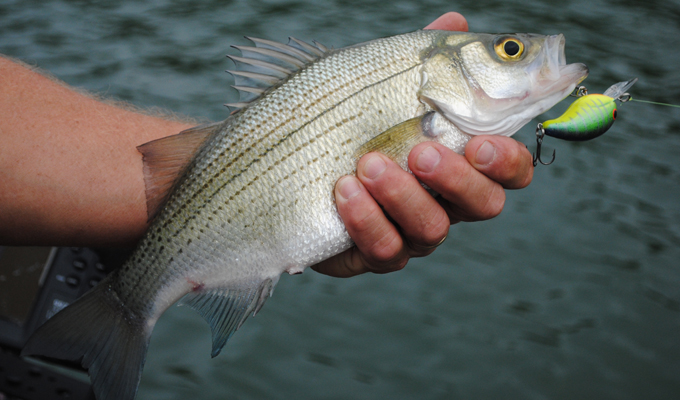
While some anglers refer to white bass as sand or silver bass, one thing is certain: white bass make for a satisfying challenge and a delicious meal. But to best this fierce fish, there are a few best practices to follow.
The best time to fish for white bass is usually from mid-March through early May when water temperatures are low and there is measurable rainfall. Additionally, white bass is a schooling fish, so it is essential to change locations frequently until you find them.
Like humans, fish are particular about the bait they choose, and they may eat with their eyes. When angling for white bass, try swimbaits, alone or in combination, in white, silver, or chartreuse.
During pre-spawn and summer, try vertically jigging spoons and slabs off the bottom or over ledges, channel breaks, and deep water flats where white bass congregate. If you are fishing from the bank, try using a slip-bobber float with a live worm, minnow, or shad.
Casting for Crappie
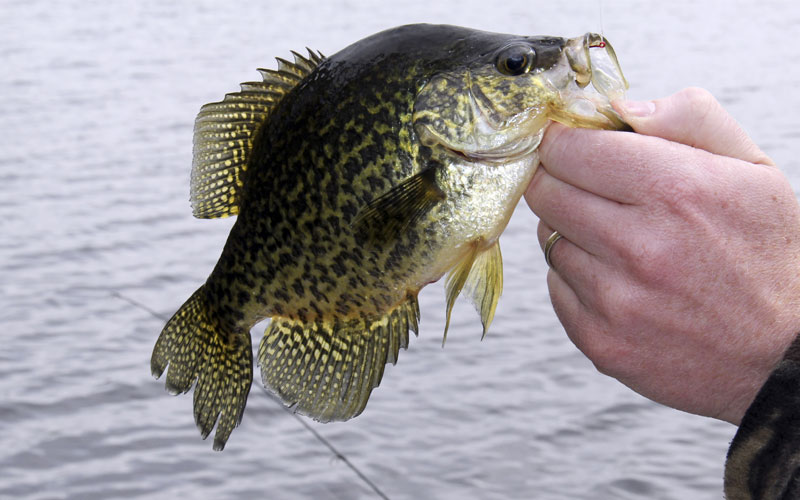
Crappie fishing is a popular pastime across the US throughout the year, but the catch largely depends on the environment. Although largemouth bass are known to prey on crappie, it does not necessarily mean that lakes with bass are unfavorable for crappie fishing. In some instances, a low bass population can lead to overpopulation of crappie and stunted growth due to limited space. So, surprisingly, a low crappie population may result in larger fish. Fort Loudoun Lake hosts a moderate fish population with healthy bass levels, so crappie should feel right at home.
To increase your chances of catching crappie, focus on deep structures or areas with woody cover where they feel protected and secure. Crappie tend to prefer environments that offer shelter, so weed beds, brushes, and submerged trees make ideal options. These areas are the best places to find crappie and make for a memorable fishing trip.
With this tacklebox of information and weather permitting, you’re sure to have a fun and prosperous time fishing on Fort Loudoun Lake.
Frequently Asked Questions
What types of bass can be found in Fort Loudoun Lake?
Fort Loudoun Lake is home to Largemouth, Smallmouth, and White bass.
What is the best time of day to catch largemouth bass in Fort Loudoun Lake?
Early morning and late evening are typically the best times to catch largemouth bass in Fort Loudoun Lake.
What are the best techniques to use when fishing for smallmouth bass in Fort Loudoun Lake?
When fishing for smallmouth bass in Fort Loudoun Lake, use light lines, small lures, and a slower presentation, as they are easily spooked. Outside of this point, they follow similar schedules and hide in the same areas as largemouth bass.
When is the best time to fish for white bass in Fort Loudoun Lake?
The best time to fish for white bass in Fort Loudoun Lake is usually from mid-March through early May when water temperatures are low, and there is measurable rainfall.
What are some good bait options when fishing for white bass in Fort Loudoun Lake?
When angling for white bass in Fort Loudoun Lake, try swimbaits, alone or in combination, in white, silver, or chartreuse. If you are fishing from the bank, try using a slip-bobber float with a live worm, minnow, or shad.
What is the best environment to find crappie in Fort Loudoun Lake?
To increase your chances of catching crappie in Fort Loudoun Lake, focus on deep structures or areas with woody cover where they feel protected and secure, such as weed beds, brushes, and submerged trees.