Fourth of July Events in Eastern Tennessee

orange fireworks over water
Courtesy of 9 Lakes of East Tennessee
  • The Lakes Region of Tennessee features several July Fourth events:
    • Kahite Water Ski Show and Town Parade
    • Lenoir City’s Rockin’ the Docks
    • Concord Boat Dock Celebration
    • Fireworks Over Fort Loudoun

Contributing Author: Bill Lang

July 4th, along Tellico Lake in Eastern Tennessee, inspires images of picnicking families listening to live music under the fireworks. This patriotic holiday offers a slower pace for families and friends to take a break and celebrate America’s freedom. For a group of senior citizens, the day is a little different as they prepare to put on a water ski show along Tellico Lake to the delight of the crowds. 

Eastern Tennessee is renowned for its stunning lakes and is home to some of the most exciting Independence Day celebrations. Check out some of these must-see events to attend this year.

Kahite Water Ski Show and Town Parade
a group of water skiers behind a boat with an American flag
FROGGS Courtesy of Derek McCurry

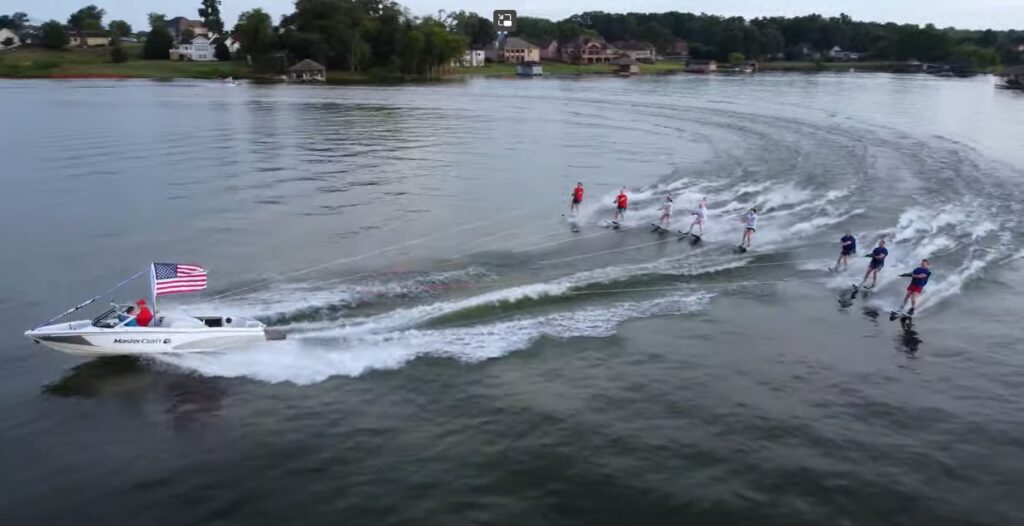
For Jim Riley, Doug McCurry, and their retired friends, July 4th means strapping on water skis and putting on a show for the Kahite community along Tellico Lake. Jim and Doug are members of FROGGS, which means Fun Retired Old Guys & Gals Skiing, although they include a few “almost retired” skiers, primarily in their 60s, 70s, and 80s. FROGGS performs a choreographed water ski show each July 4th during the Kahite Boat Parade at Tellico Village. Wearing red, white, and blue while sporting American flags, the FROGGS has become a crowd favorite at the waterfront event. The 2022 show featured eight water skiers behind one boat, with the oldest skier being 81.

The FROGGS patriotic ski salute will be on Monday, July 3, just before sunset in the Kahite neighborhood in Tellico Village. Visitors can watch from the shore or take a boat out on the lake to get a closer look. Proceeds for the waterfront festivities benefit Isaiah House, a temporary home for children going into the foster care system.

In addition to the FROGGS water ski display, Kahite also hosts a July 4th parade that morning, and participants are encouraged to decorate the vehicles with a patriotic theme. The town parade takes place on July 4th and is free to attend. For more information on the parade and other July 4th festivities, visit www.tellicovillage.org.  

Lenoir City’s Rockin’ the Docks
A graphic from Lenoir City's Rockin' the Docks
Courtesy of LenoirCityTN.gov

For Lenoir City, one of the most popular events around the 4th of July is the Rockin’ the Docks concert series. This year’s event will be held on Saturday, July 1st, from 1:00 to 10:30 p.m. Rockin’ The Docks features live music, various food vendors, and a fireworks display over Fort Loudoun Lake. For 2023, Tennessee natives RMS and Cole Sitzlar will be the opening acts for headliner WIMZ Garage Band.  Additionally, the free event is open to the public, making it a perfect choice for families and groups of friends. Rockin’ the Docks takes place at Lenoir City Park, which is located at 6707 City Park Dr, Lenoir City, TN 37771. For more details, visit www.visitloudoncounty.com

Concord Boat Dock Celebration

Another event to check out is the Concord Boat Dock’s July 4th celebration. The festivities kick off with a boat parade on Tellico Lake, starting from the Concord Marina. Afterward, visitors can enjoy food vendors, live music, and a fireworks display over the water. The event is free to attend, but there is a fee for parking at the marina.

Boat lovers should consider joining the Nautical Boat Club on Fort Loudoun Lake. The Nautical Boat Club is known as the first and only boating country club in the country. Boat options include both competition wakeboard boats and sport boats, plus tri-toon and double-decker party boats. Concord Marina also offers boat slip rentals, as well as a variety of boats for rent. Regardless of location, schedule early for the best availability over the busy July 4th holiday. The Concord Marina is located at 10903 Concord Park Dr, Knoxville, TN 37922. www.concordmarina.com.

Fireworks Over Fort Loudoun

a crowd, disco ball, and fireworks in Knoxville
Courtesy of City of Knoxville

If you’re in the Knoxville area, the fireworks show over Fort Loudoun Lake is a must-see. There are numerous locations to lay your blankets and prepare for this free-to-attend event.  Some popular viewing spots include the Volunteer Landing, the University of Tennessee, and Carl Cowan Park. The pyrotechnics display starts at 9:45 p.m. on July 4th, 2023. 

The 2023 Festival on the 4th, sponsored by the City of Knoxville, will be held in World’s Fair Park, and it starts at 5 p.m. Food vendors will be at the World’s Fair Park throughout the festivities. Information on the festival and other July 4th celebrations in Knoxville is online at www.visitknoxville.com

The July 4th holiday celebrations across Eastern Tennessee lakes are full of exciting events and festivities for the whole family. Mark your calendars and get ready to celebrate America’s independence in style.

Frequently Asked Questions

Tellico Lake’s Storied Shores

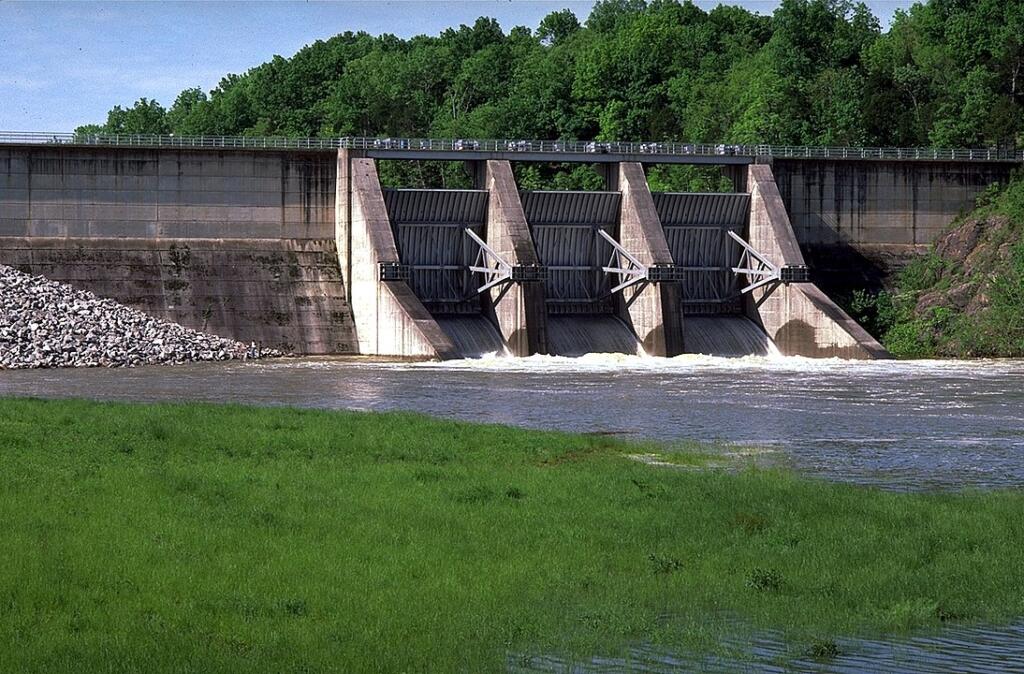
Tellico Dam, Grass, and Water
Courtesy of TVA
  • Tellico Lake, once known as Timberland, boasts storied shores:
    • Setting the Stage
    • Acquiring the Land
    • The Snail Darter Controversy

Tellico Lake mirrors the tranquil beauty of its neighboring communities. Yet, behind its serene facade, Tellico Lake has a fascinating history of controversy, encompassing local dynamics, government actions, environmental concerns, and intricate infrastructure developments.

Setting the Stage

architects looking at a recreation of Tellico Dam
Courtesy of the TVA

In the 1950s, local officials started planning to implement a dam along the Little Tennesee River near Lenoir City. The Fort Loudoun Dam was finished just a few years prior and had achieved noteworthy success. The original name for the project was “Timberlake,” but we know it today as Tellico Lake.

With the success of the Fort Loudoun Dam, many saw the plans for Tellico Dam as an opportunity for new jobs, better income, and economic benefit for the surrounding areas. Not only would it assist Fort Loudon in generating electric power, but also its location allows the dam to aid in flood control for the region, especially Chattanooga. In addition, Tellico Reservoir, or Tellico Lake as many now call it, would drastically change its landscape. Where there were once “fields of corn, tobacco, and hundreds of small dairy farms,” a bustling community now stood on the banks of the Little Tennesse River.

Acquiring the Land

a gavel, home, and scales
Courtesy of NCCS

To create the Tellico Lake we know today, the TVA acquired over 38,000 acres of land for development. The Tennessee Valley Authority (TVA) distributed some remaining grounds for residential, recreational, and industrial purposes as part of the proposed Timberlake planned city project. When approaching property owners, the TVA faced opposition from communities most affected by their previous projects. Still, those who were not direct beneficiaries, like the Appalachians in the Lower Tennessee Valley, were eager for the plan’s impacts.

The project’s acquisition phase involved eminent domain, allowing the TVA to take ownership of private property for public benefit. However, some property owners criticized the TVA for overreaching its authority and poorly executing relocation efforts.

Overall, the TVA spent $25.5 million on land acquisition for the Tellico Dam project. The controversy surrounding the project highlighted the tension between development plans and the preservation of local communities and their heritage.

The Snail Darter Controversy

Concerns Arise

Tellico Dam

Not the last of the hurdles, the Tellico Dam faced opposition from the TVA and environmental groups. Before any work began, the Tennessee Fish and Game Commission analyzed the situation due to fears that the dam would decimate trout fishing. Likewise, local farmers and the Cherokee Nation had concerns regarding the impact of the project and the way land was acquired.

The governor of Tennessee at this time was Winfield Dunn, who wrote a letter of dissent to the TVA in protest of the project, but the TVA was not keen to respond. Eventually, the farmers and environmental activists created the Environmental Defense Fund in 1972 and proceeded to sue the TVA via? the National Environmental Policy Act. Ultimately, these efforts would be in vain, as it was dismissed in 1972, and construction of the dam began.

Snail’s Pace to the Supreme Court

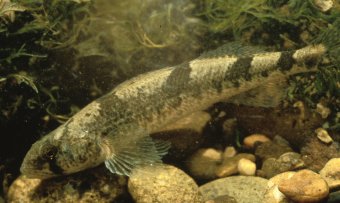
With outside pressures dealt with, the future of Tellico Dam seemed bright. That was until 1973 when a biologist and his team discovered the endangered snail darter fish. In December of the same year, the Nixon administration passed the Endangered Species Act (ESA). In turn, this legislation halted construction. 

Hill, who discovered the snail darter in the river, filed suit against the TVA, and work on the dam ceased in 1977. Later, the TVA tried to circumvent the lawsuit by petitioning for the removal of the snail darter from the endangered species list. The U.S. Fish and Wildlife Service declined this request.

Officials representing the project approached the Endangered Species Committee to exempt the dam from the ESA. It was promptly denied. Later, during a translocation of some of the snail darter population, over 100 species died, sparking further outrage. At this point, Tellico Dam, which neared completion, was dead in the water.

A Settled Debate

United States President Jimmy Carter signing a document
Courtesy of Maine Public

Following the upheaval caused by Tellico Dam and snail darters, further suits and arguments seemed futile. Surprisingly, President Jimmy Carter granted the Tellico reservoir project ESA exemption status in 1979. While Carter was a vocal advocate against completing the dam, continuing this stance risked American projects abroad. 

Small towns and native structures were flooded due to the dam’s impoundment, and Fort Loudoun was excavated and sits today as a state park. In an effort to ensure the species, snail darts were translocated to other rivers in the area.

Tellico Today

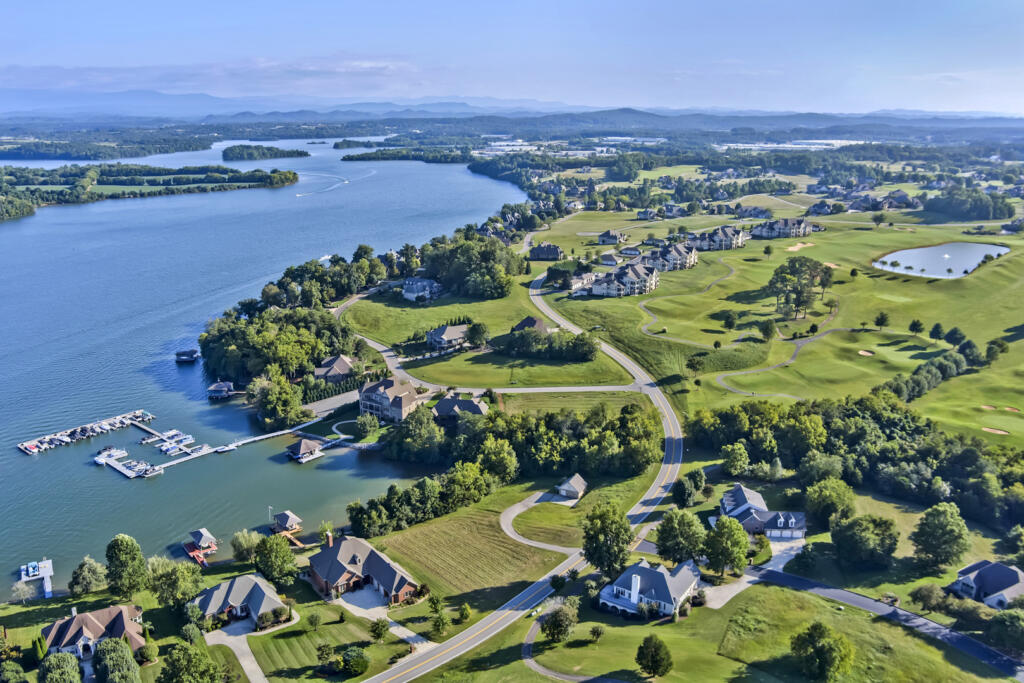
Courtesy of Rarity Bay

Finally, with reservations and preservation aside, the Tellico Dam project, which began in 1967, resumed impoundment 12 years later in 1979. Although Timberland would never come to fruition, prosperity still awaited the region. Today, Tellico Lake stands as a reservoir and a testament to the interplay between progress, preservation, and pristine beauty.

Frequently Asked Questions

The original name for Tellico Lake, and the community that would border it, was called Timberland.

For the completion of the Tellico Dam project, the TVA acquired over 38,000 acres in the region.

The legislation that halted the construction of Tellico Dam in 1973 was the Endangered Species Act (ESA).

The biologist who discovered snail darters in the river was a UTK biology professor named David Etnier.

In 1979, 12 years after the project began in 1967.

Fishing on Fort Loudoun Lake

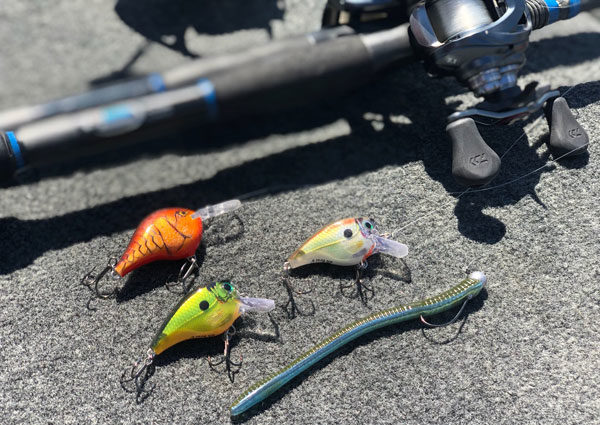
a rod on the ground with lures
Courtesy of BassBlaster
  • A local favorite fishing locale, Fort Loudoun Lake teems with life:
    • Bass
      • Largemouth, Smallmouth, and White
    • Crappie

Connecting lakes Watts Bar and Tellico, Fort Loudoun Lake is the great water junction of eastern Tennessee and the state’s fishing capital! So before you launch your boat and set sail, check out these best practices for a successful day on the water.

Boomin’ With Bass

Bass species are among the most popular game fish in North America. Catching them requires knowledge of their habits, behavior, and the best techniques, but those criteria also depend on the type of bass.

Largemouth

Known to be notorious fighters, largemouth bass can put up a struggle. As such, you need to have the right rod for the job. Largemouth bass are bigger game fish, so get a strong baitcasting rod. A medium-length pole provides greater accuracy in those hard-to-reach places where bass like to hide.

Another important factor to consider is time of day. Early morning and late evening are typically the best times to catch largemouth bass, as they tend to be more active during low-light conditions. However, they can also be caught during the day if you know where to look. The time of year also affects where you’ll find largemouth bass. Largemouth bass tend to roam shallow waters during the spring and summer, but they glide along the bottom during the winter months. But regardless of time or season, fishing in the murkiest waters will lead to the biggest catch! They will also often hang out in areas with drop-offs or sudden changes in water depth.

Smallmouth

Smallmouth bass are very different from their larger relatives. Whereas largemouth bass lurk in the murk, smallmouth bass enjoy the clear water. This may incline you to believe they have a steadfast nature, but they are easily spooked. Therefore, light lines, small lures, and a slower presentation are required. Apart from this, they follow similar schedules and hide in the same areas as largemouth bass.

White

person holding a white bass with a hook in mouth
Courtesy of Alabama Outdoor News

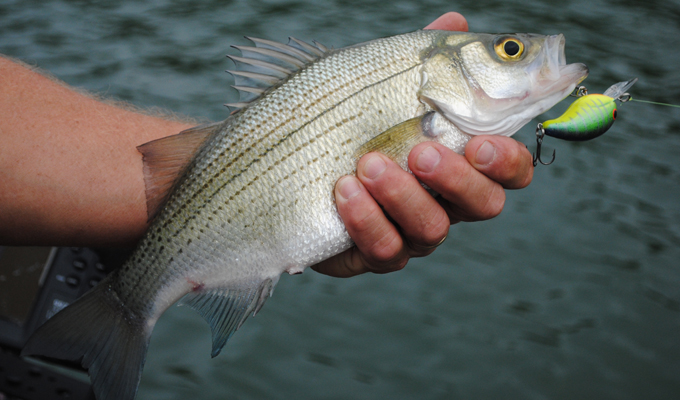
While some anglers refer to white bass as sand or silver bass, one thing is certain: white bass make for a satisfying challenge and a delicious meal. But to best this fierce fish, there are a few best practices to follow.

The best time to fish for white bass is usually from mid-March through early May when water temperatures are low and there is measurable rainfall. Additionally, white bass is a schooling fish, so it is essential to change locations frequently until you find them.

Like humans, fish are particular about the bait they choose, and they may eat with their eyes. When angling for white bass, try swimbaits, alone or in combination, in white, silver, or chartreuse.

During pre-spawn and summer, try vertically jigging spoons and slabs off the bottom or over ledges, channel breaks, and deep water flats where white bass congregate. If you are fishing from the bank, try using a slip-bobber float with a live worm, minnow, or shad.

Casting for Crappie

man with a ring holding a crappie fish
Courtesy of Virginia DWR

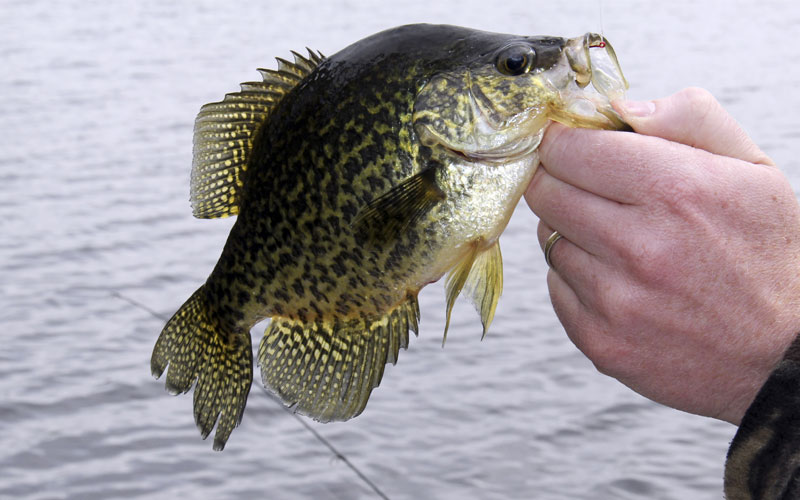
Crappie fishing is a popular pastime across the US throughout the year, but the catch largely depends on the environment. Although largemouth bass are known to prey on crappie, it does not necessarily mean that lakes with bass are unfavorable for crappie fishing. In some instances, a low bass population can lead to overpopulation of crappie and stunted growth due to limited space. So, surprisingly, a low crappie population may result in larger fish. Fort Loudoun Lake hosts a moderate fish population with healthy bass levels, so crappie should feel right at home.

To increase your chances of catching crappie, focus on deep structures or areas with woody cover where they feel protected and secure. Crappie tend to prefer environments that offer shelter, so weed beds, brushes, and submerged trees make ideal options. These areas are the best places to find crappie and make for a memorable fishing trip.

With this tacklebox of information and weather permitting, you’re sure to have a fun and prosperous time fishing on Fort Loudoun Lake.

Frequently Asked Questions

Fort Loudoun Lake is home to Largemouth, Smallmouth, and White bass.

Early morning and late evening are typically the best times to catch largemouth bass in Fort Loudoun Lake.

When fishing for smallmouth bass in Fort Loudoun Lake, use light lines, small lures, and a slower presentation, as they are easily spooked. Outside of this point, they follow similar schedules and hide in the same areas as largemouth bass.

The best time to fish for white bass in Fort Loudoun Lake is usually from mid-March through early May when water temperatures are low, and there is measurable rainfall.

When angling for white bass in Fort Loudoun Lake, try swimbaits, alone or in combination, in white, silver, or chartreuse. If you are fishing from the bank, try using a slip-bobber float with a live worm, minnow, or shad.

To increase your chances of catching crappie in Fort Loudoun Lake, focus on deep structures or areas with woody cover where they feel protected and secure, such as weed beds, brushes, and submerged trees.