
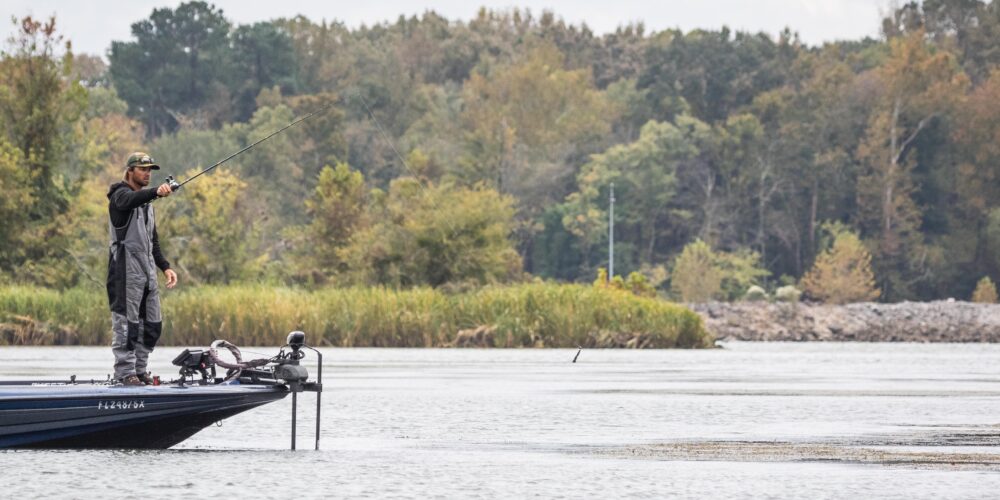
- Pickwick Lake is a top fishing destination:
- It is a Bill Dance Signature Lake
- Popular species include largemouth bass, smallmouth bass, crappie, and sauger
Spanning 43,000 acres, Pickwick Lake is an angler’s paradise. The lake is a Tennessee Valley Authority (TVA) mainstream reservoir that stretches across three states: Tennessee, Alabama, and Mississippi. Approximately 6,159 acres lie in Tennessee, granting resident fishermen plenty of room to catch the lake’s legendary large species.
Pickwick Lake is a unique fishing spot for many reasons. It has hosted several national tournaments, including the FLW Tour and the Bassmaster Elite Series. Many consider it one of the top smallmouth bass fisheries in the world. Plus, the lake is exceptionally family-friendly, encouraging children to enjoy fishing from an early age. For example, according to Tennessee Wildlife Resources Agency, you can buy a lifetime fishing license for a child under three for as little as $320!
However, before diving into this Pickwick Lake fishing guide, see for yourself why the lake is a premier fishing destination by clicking on the video below.
A Bill Dance Signature Lake

At the start of 2022, renowned angler Bill Dance announced his Signature Lakes. These are Tennessee bodies of water that boast above-average catch rates. The larger reservoirs include Bill Dance Signature Lake access points constructed to ensure a successful fishing venture. Along with other signature Tennessee waters, Kentucky and Pickwick Lakes made the list. So if you’re wondering if Pickwick Lake is a top fishing destination, don’t just take it from us; take it from Bill Dance!
Common Pickwick Fish Species

Pickwick Lake contains many fish species, including smallmouth bass, sauger, channel catfish, largemouth bass, black crappie, bluegill, striped bass, blue catfish, redear sunfish, white bass, and flathead catfish. However, smallmouth bass, largemouth bass, crappie, and sauger are usually the most popular catches. So if you’re interested in reeling in these prize species, check out our top tips.
Smallmouth Bass
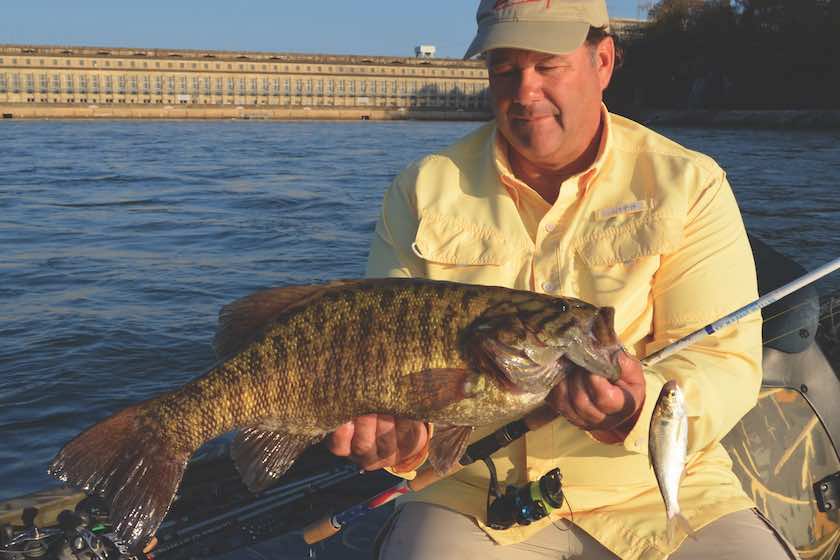
Pickwick Lake has earned the reputation of being one of the best smallmouth bass fisheries in the nation. Two to three-pound smallies regularly swim throughout the lake, and it’s not unusual to encounter five to six-pound bass. Even Bill Dance is convinced that a smallmouth bass larger than the world record of 11 pounds and 15 ounces must be swimming in Pickwick Lake right now!
To catch this coveted species, anglers can use threadfin shad, gizzard shad, crayfish, minnows, juvenile bluegill, and sunfish for bait. In the spring, smallies prepare for the spawn by moving into tailwater areas. During the post-spawn period, they move into deeper waters, but by the fall, they return to the tailwaters.
Largemouth Bass

What is considered a novelty on some lakes is a commonality on Pickwick. Impressive largemouth bass ranging from five–eight pounds regularly swim in these waters. Plus, in the past, the lake has boasted many catches exceeding ten pounds.
Anglers will have the most luck fishing for this popular species between mid-March to May. Shaw, minnows, juvenile bluegill, and sunfish are excellent bait options. Before spring spawning, largemouth bass typically move into shallow backwater areas. However, after spawning, bass will pursue forage and return to deeper slack water areas adjacent to the swift currents.
Black and White Crappie

Pickwick Lake also offers stellar crappie fishing conditions. Most crappie in the lake weigh around one pound. They are easy to target when schooling, and tiny tube jigs tipped with a worm are ideal for baiting your hook. Both white and black crappie migrate to the shallow waters around mid-Feburary to late April, during the spawning period. However, they swim toward the 20–30-foot deep waters when it gets warmer. They like to congregate above structures, such as brush piles, fallen timber, and submerged Christmas trees.
Sauger

Sauger also are abundant in Pickwick Lake. Crankbaits, jigs, and plastic worms are great options for bait. Or, if you prefer live bait, you can use minnows and nightcrawlers. In the summertime, sauger spread out more throughout the lake and remain in deeper waters. However, the winter months bring Pickwick sauger fishing to its pinnacle. From December to February, you can find this species congregating in the tailwaters, providing ideal fishing conditions.
With this Pickwick Lake fishing guide at your disposal, you have the tools you need to have a fantastic Tennessee fishing trip.
FAQS
How much is a lifetime fishing license in Tennessee for a child under 3?
For example, according to Tennessee Wildlife Resources Agency, you can buy a lifetime fishing license for a child under three for as little as $320!
What are some of Bill Dance’s Signature Lakes?
Along with other signature Tennessee waters, Kentucky and Pickwick Lakes made the list.
What fish are in Pickwick Lake?
Pickwick Lake contains many fish species, including smallmouth bass, sauger, channel catfish, largemouth bass, black crappie, bluegill, striped bass, blue catfish, redear sunfish, white bass, and flathead catfish.
What bait should you use for smallmouth bass?
To catch this coveted species, anglers can use threadfin shad, gizzard shad, crayfish, minnows, juvenile bluegill, and sunfish for bait.
What is a good lake for catching smallmouth bass?
Pickwick Lake has earned the reputation of being one of the best smallmouth bass fisheries in the nation.
How big are smallmouth bass in Pickwick Lake?
Two to three-pound smallies regularly swim throughout the lake, and it’s not unusual to encounter five to six-pound bass.
What bait should you use for largemouth bass?
Shaw, minnows, juvenile bluegill, and sunfish are excellent bait options.
What bait should you use for crappie?
They are easy to target when schooling, and tiny tube jigs tipped with a worm are ideal for baiting your hook.
What bait should you use for sauger?
Crankbaits, jigs, and plastic worms are great options for bait.