
Contributing Author: Oscar Gipson
- The Tennessee River is a vital stream of income
- Keep the Tennessee River Beautiful is a non-profit organization that hosts clean-up events
- Adopting a river mile is your chance to make a difference
- Learn what to expect at a cleanup event
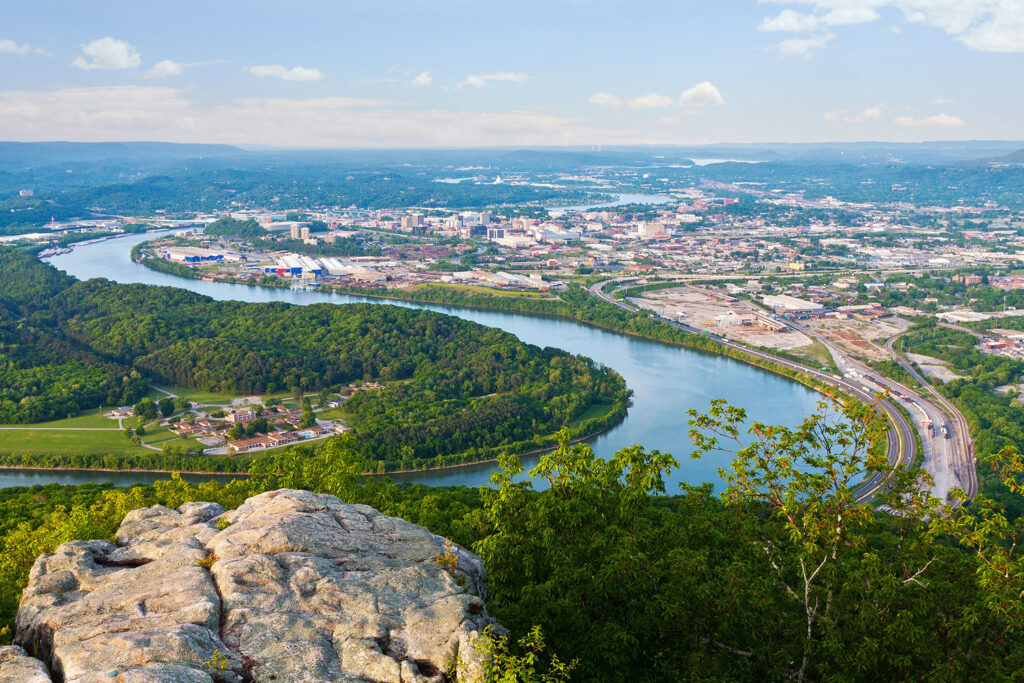
One of the most biodiverse locations in North America, the Tennessee River is a 650-mile-long river in the southeastern United States. This river is significant not only for its economic impact but also for its natural beauty and wildlife and its role in connecting people and businesses. The Tennessee River is surrounded by rolling hills, lush forests, and scenic landscapes, making it a popular destination for tourists and locals alike.
The Stream of Income
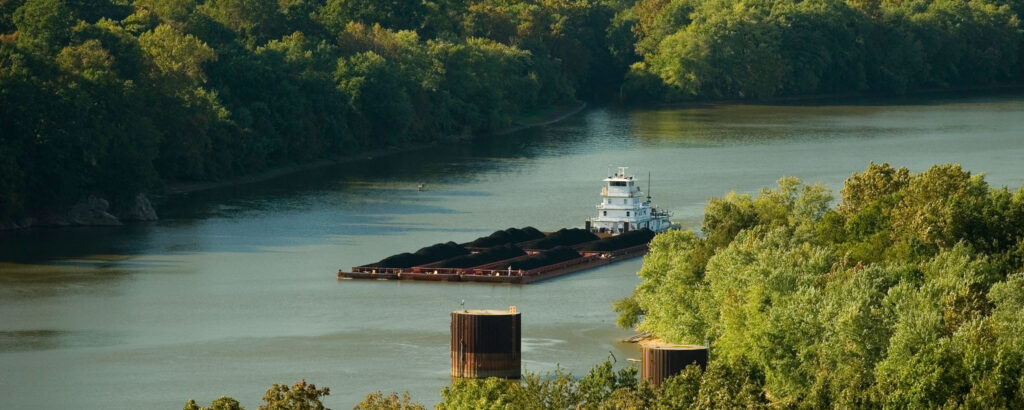
The Tennessee River is also an essential part of the economy of the southeastern United States. The second largest economic driver in Tennessee, the river generates more than $12 billion in revenue, with $2 billion coming from tourism. This river is used for transportation, irrigation, and other commercial activities, providing jobs and economic benefits to communities along its banks. The river also provides important resources for businesses and industries, including water, electricity, and raw materials. Additionally, NASA utilized the river in 1961 to transport rocket components for the Saturn 1 rocket. This event aided in the first successful moon landing with the Apollo 11 mission in 1969.
Despite its many benefits, the Tennessee River also faces significant environmental challenges. Each year, pollution, erosion, and other dangers threaten its natural beauty and ecological health. To protect this vital resource, organizations like Keep the Tennessee River Beautiful and the Tennessee Valley Authority have launched initiatives to educate the public. They also encourage volunteers to take action to keep the river clean and healthy. These initiatives include river cleanups, educational programs, and other initiatives designed to preserve the beauty and ecological health of the Tennessee River.
Keep the Tennessee River Beautiful
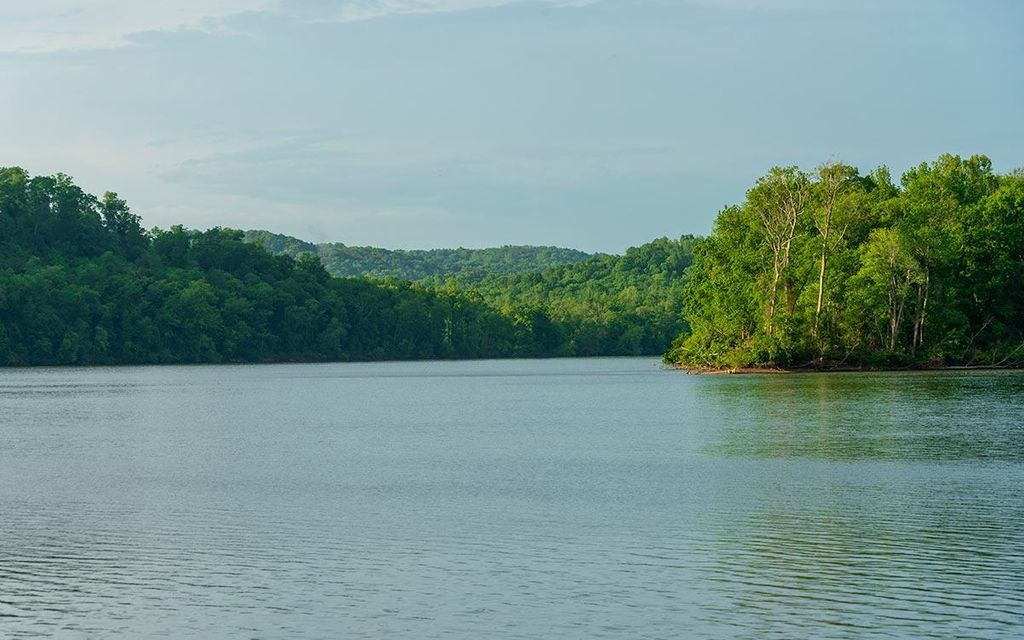
Keep the Tennessee River Beautiful is a 501(c)3 nonprofit organization that focuses on river cleanups and education. Their mission is to “educate and inspire people to take action to create a clean, healthy, beautiful Tennessee River for generations to come.” Kathleen Gibi, executive director of KTNRB, embodies this mission in every way. From catching her first fish to fun-filled days at Camp Tanasi, Kathleen remembers the river fondly. The organization has grown to include over 3,000 volunteers who have collected over 450,000 pounds of garbage from the river. Top cleanup locations include Knoxville, Decatur, Pickwick in Alabama, and Land Between the Lakes in Kentucky.
The nonprofit’s objective is to get all 652 miles adopted, and thus far, 162 of those miles have been secured. Cereice Morris, the Lake Homes Realty agent in the area, adopted 40 miles of the river’s vast expanse. Keep the Tennessee River Beautiful believes that the only way to preserve the river’s beauty is by raising awareness about the effects of river pollution and by taking action to clean up the river. For initial goals, KTNRB focuses on removing large debris from the river, such as small fridges and tractor tires. To meet both long and short-term goals, the organization aims to accomplish them by implementing various programs and initiatives: starting with Adopt-A-River Mile.
Adopt-A-River Mile: Your Chance to Make a Difference
One of the initiatives that Keep the Tennessee River Beautiful has implemented is Adopt-A-River Mile. This program allows individuals, families, businesses, or organizations to adopt a portion of the river and take responsibility for maintaining it. By adopting a mile, visitors will receive free cleaning materials and recognition. Additionally, they will receive complimentary t-shirts, water bottles, and metal signs. Volunteers can adopt one or both riverbanks and choose the mile they wish to maintain. Adopting a river mile allows participants to make a real difference in preserving the beauty of the Tennessee River.
Gibi recalls educating 60 children and teens from Clifton about the lake and the value of its preservation during a clean-up. A handful of teenagers weren’t very enthusiastic when they initially arrived at the clean-up, but in the end, “their eyes lit up,” according to Gibi. The organization received overwhelmingly positive feedback from the parents afterward, with a large number of inquiries about becoming more involved with the effort.
What to Expect at a Cleanup Event
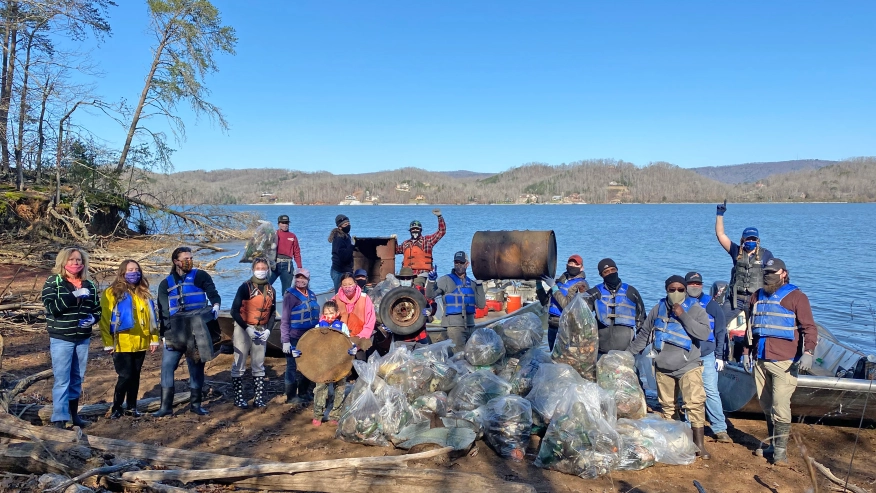
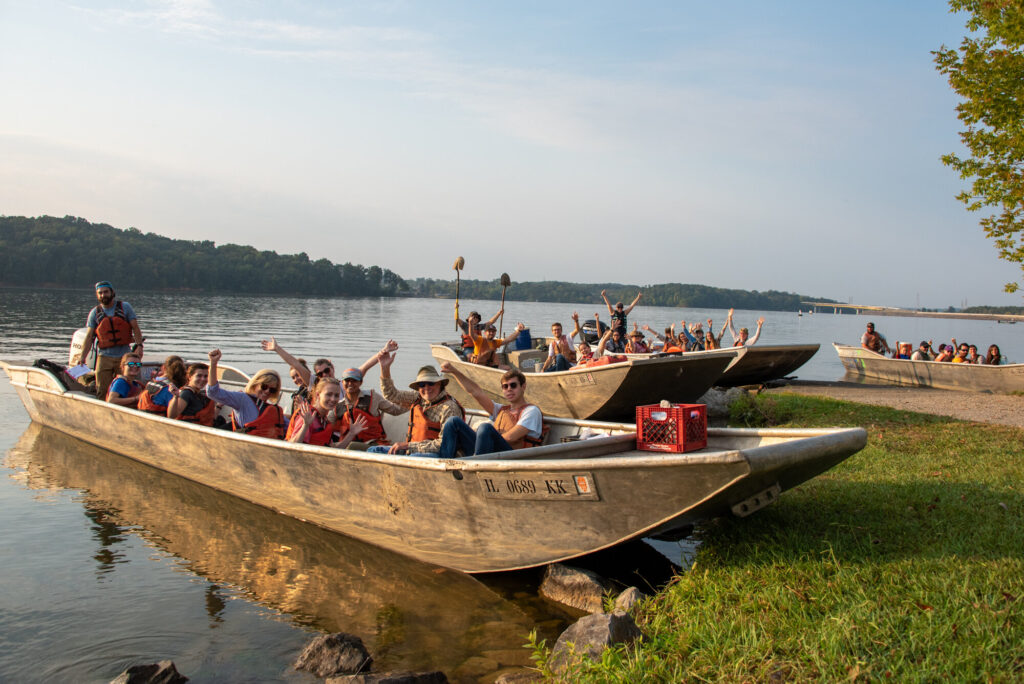
Keep the Tennessee River Beautiful regularly holds cleanup events along the river. These events provide an opportunity for volunteers to invest in their portion of the river and learn how it connects to the entire river system. A light lunch precedes each event, and volunteers are provided with life jackets, boats, and gloves by Living Lands and Waters, Dollywood Splash Country, and TVA. All you need to bring is a motivated attitude and sturdy shoes! Participating in Keep the Tennessee River Beautiful events not only helps to preserve the river but also increases people’s sense of community and helps them understand that there are individuals up and down the river working towards the same goal.
By participating in Keep the Tennessee River Beautiful and Adopt-A-River Mile, you will raise awareness of the river’s preservation and shared responsibility among people across its banks!
FAQs
What is Adopt-A-River Mile?
This program allows individuals, families, businesses, or organizations to adopt a portion of the river and take responsibility for maintaining it.
What to expect at a Tennessee River cleanup event?
A light lunch precedes each event, and volunteers are provided with life jackets, boats, and gloves by Living Lands and Waters, Dollywood Splash Country, and TVA. All you need to bring is a motivated attitude and sturdy shoes!
How long is the Tennessee River?
The Tennessee River is a 650-mile-long river located in the southeastern United States.
How does the Tennessee River impact the economy?
This river is used for transportation, irrigation, and other commercial activities, providing jobs and economic benefits to communities along its banks.