

- Lake Monticello is a South Carolina fishing destination featuring:
- Catfish
- Blue, Channel, Bullhead, Flathead
- Crappie
- White and Black
- Catfish
Northwest of Columbia, South Carolina, Lake Monticello maintains a reputation as one of the state’s top fishing lakes. This fertile lake contains more species than listed here but boasts a bountiful supply of catfish and crappie. Read on to learn the best ways to catch specific fish species at Lake Monticello.
Catfish Capital
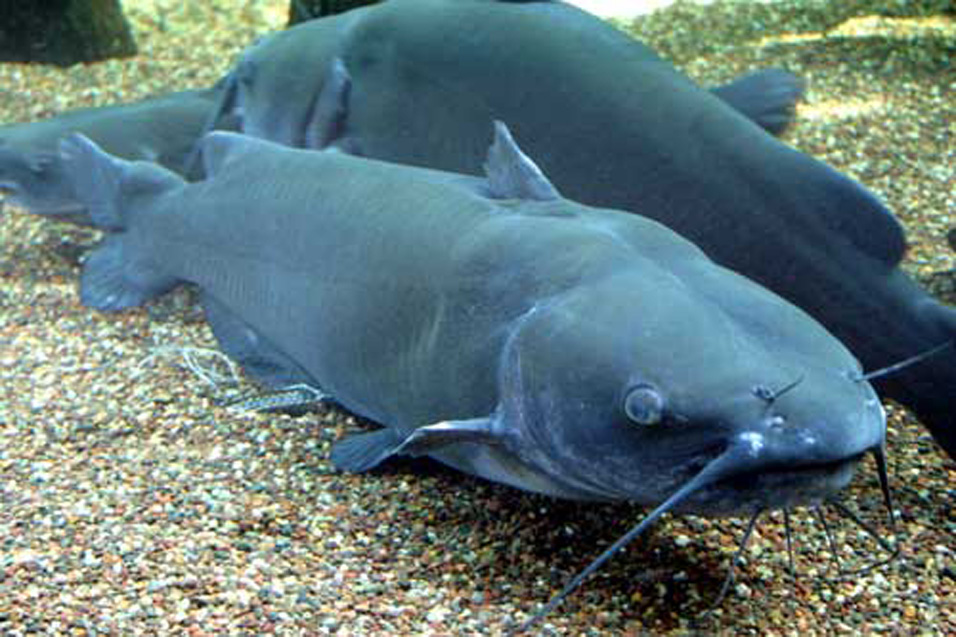
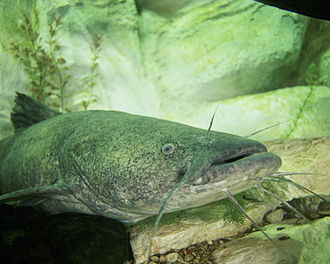
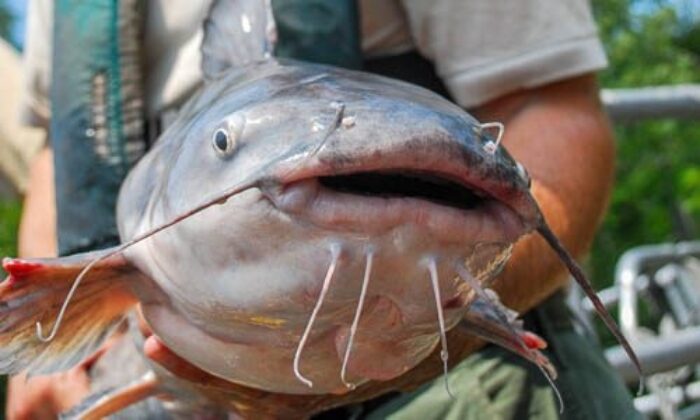
Lake Monticello remains a fishing favorite among locals but gained its real fame for word-class catfishing. While most lakes may have one or two catfish species, Lake Monticello hosts four species: blue, channel, bullhead, and flathead. From different types of rods to various baits and lures, try these tips and tricks when catching catfish.
Blue
Blue catfish tend to live in large populations and are the most giant catfish in North America, with the largest being 143 pounds. While blue and flathead catfish swim in similar depth ranges, blues tend to occupy deeper waters in rivers and lakes. To target blue catfish, look for areas with strong currents; they typically lurk at the bottom and wait for prey.
Channel
In mid-spring, lake water temperatures warm, and catfish begin preparing for the spawn. During this time, channel catfish dramatically become more active and continuously feed until the end of spring, depending on local water conditions.
During summer, it’s best to fish for channel catfish between sundown and midnight, when they are most active. Targeting areas with underwater structures such as humps, drop-offs, or ledges can also be effective. However, channel catfish can be finicky eaters and may require some time to take the bait.
Bullhead
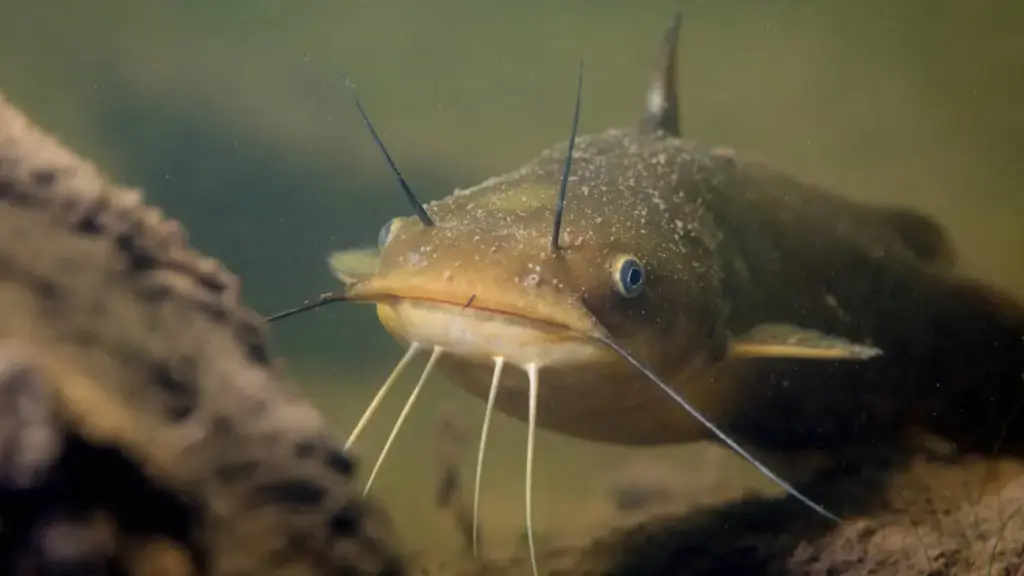
Bullheads are a highly social species that travel in large schools along the bottoms of warm lakes, slow-moving streams, quiet backwaters, and vegetated shallows. This quality makes Lake Monticello perfect for catching a wide array of catfish, given the warm-and-cold sectors of the lake. They are bottom feeders, so using a bobber is often unnecessary, especially on windy days where it can lift bait off the bottom and away from the fish. Bullheads are infamous for their aggressive strikes, so you’ll know the feeling when they’re on the line.
When targeting bullheads, it’s recommended to use a six-pound test line with smaller hooks. As these fish are known for swallowing hooks, it’s essential to use one that can be safely removed.
Flathead
With flathead catfish, live bait is the way to go, as they prefer a live target over a dead one. In fact, some of the other fish on this list, specifically bluegill and smaller fish, make great bait for flatheads. But before hitting the shore, make sure you have the right rod and reel setup. Flatheads are larger fish known to put up a fight, so you need a sturdy and reliable rig that can handle the load. Bait-casting reels and rods are ideal, as they offer a smoother cast.
Crappie Central
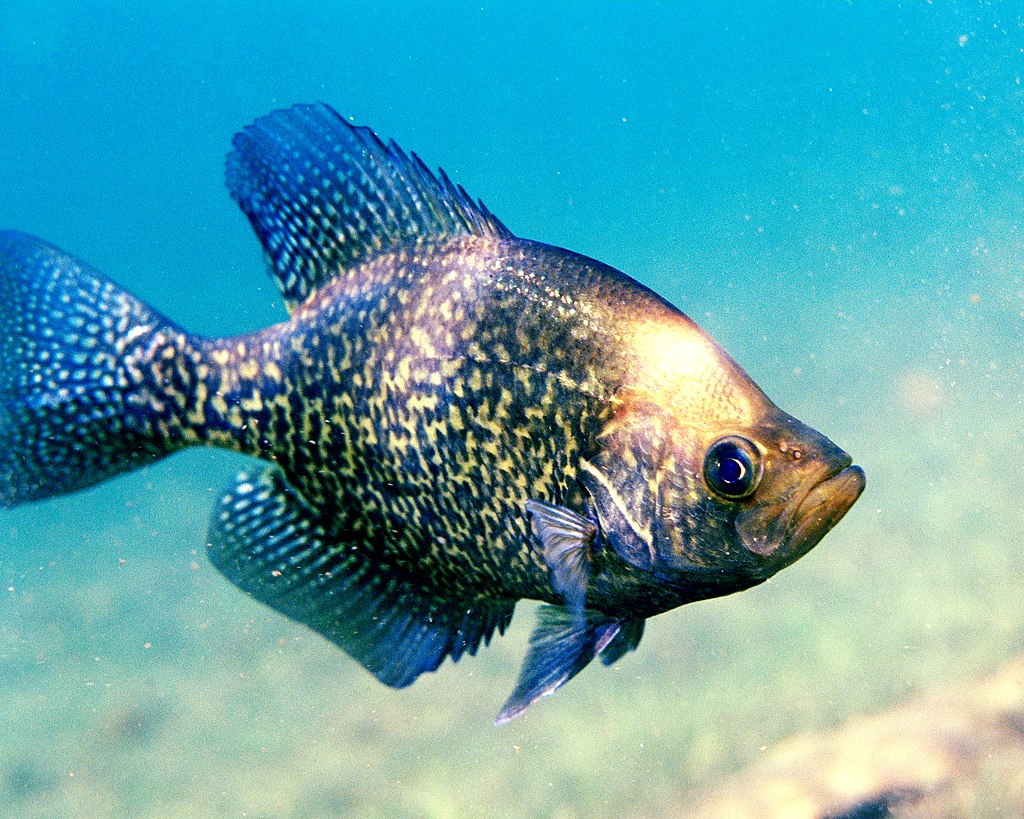
Fishing for crappie is a year-round pastime enjoyed across the country. But quality crappie depends on their environment. Largemouth bass is one of their most significant predators, so you may think these destinations make for poor crappie fishing —but you’d be wrong. In lakes with a low bass population, crappie grow out of control, and the lack of space forces most of the fish to become small and stunted. As such, a low crappie population may actually produce a larger fish!
Another key tip is to “match the hatch” — using bait or lures that mimic the natural prey of crappie, such as minnows or small insects. Jigs are a common choice for crappie fishing, with crankbaits being the most popular — effective in deeper water.
In fishing, patience and persistence are crucial. While the information here works broadly, it may not be helpful for everyone, so keep trying different areas, lures, and techniques until you find what works. And once you find a good spot, relax and keep that secret to yourself.
Frequently Asked Questions
What fish species are commonly found in Lake Monticello?
Lake Monticello contains a variety of fish species, including catfish, crappie, largemouth bass, and bream.
Why is Lake Monticello in South Carolina good for fishing?
Lake Monticello is a highly fertile lake that is home to a variety of fish species, including catfish and crappie. The lake’s warm-and-cold halves also provide a diverse environment for fishing.
What is the best time to fish for channel catfish?
Channel catfish become more active during mid-spring as the water temperature warms up, and they feed continuously until the end of spring, depending on local water conditions. During summer, it’s best to fish for channel catfish between sundown and midnight when they are most active.
What is the best bait for crappie fishing?
The best bait for crappie fishing is one that mimics the natural prey of crappie, such as minnows or small insects. Jigs are a common choice, with crankbaits being the most popular for deeper waters.
What is “matching the hatch” in fishing?
Matching the hatch is a fishing technique that involves using bait or lures that mimic the natural prey of the fish species you are targeting. By using the same type of bait or lure, the fish are more likely to take the bait, resulting in a successful catch.