
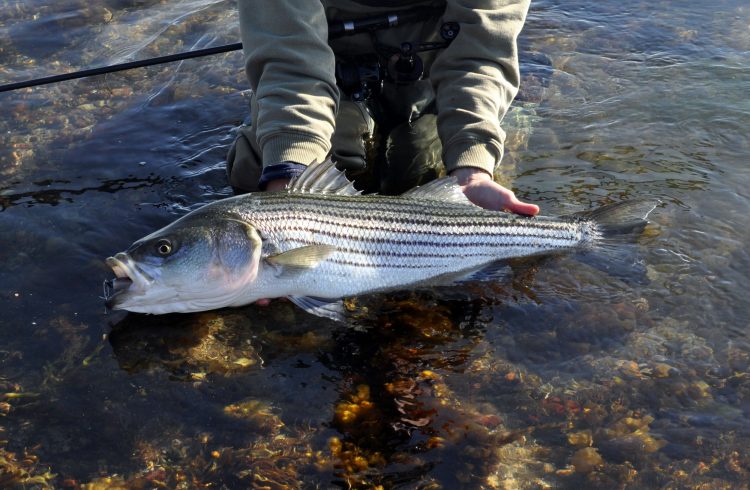
- Smith Mountain Lake is filled with popular game fish:
- Striped Bass
- Black Bass
- Largemouth
- Smallmouth
- Muskellunge
As the largest lake in Virginia, Smith Mountain Lake draws crowds from across the state for skiing, boating, and recreation. But chief among these, fishing is the lake’s biggest draw. While you’re sure to have a fun trip to Smith Mountain Lake, these tips and tricks promise a productive one.
Striped Bass
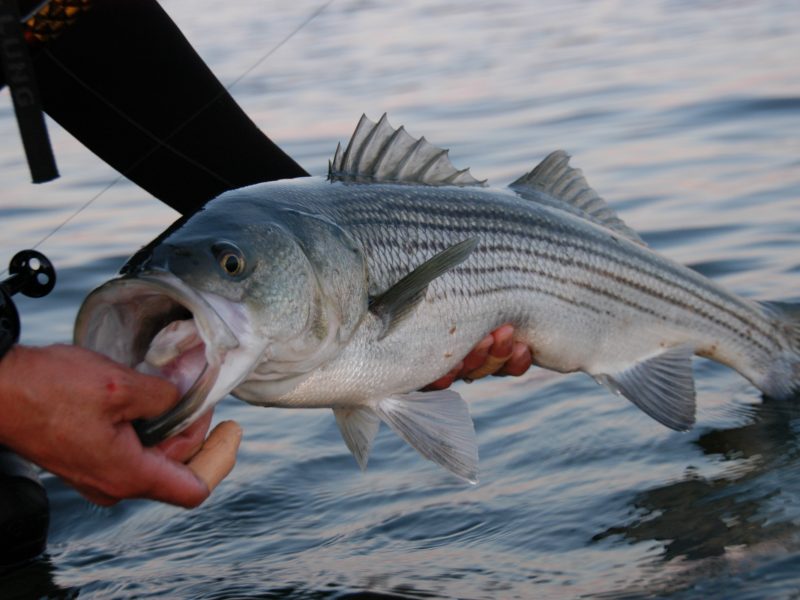
Striped bass, also known as stripers, are the most popular and sought-after fish at Smith Mountain Lake. Given how many people flock to the lake for this particular species, there is a daily limit of two striped bass but no length requirement. These anadromous fish, living in the sea but migrating upriver to spawn, create feeding frenzies known as “blitzes” when encountering large baitfish schools.
When it comes to lures, a variety of choices can be effective, including topwaters, poppers, and jigs. As for baits, striped bass are known to enjoy bunker and herring. Stripers often school and tend to hide near structures, boulders, and ledges. They spawn between April and June, spring and summer. Warm waters brought by these two seasons, in combination with low-light conditions, make it the perfect time to farm for stripers. Cloudy and overcast days also prove favorable. At Smith Mountain Lake, stripers collect in the lake’s southern portion.
Be aware of striped bass hybrids, commonly called “wipers,” as they look similar. Striped bass have continuous stripes on their sides, while hybrids have broken stripes or lines.
Black Bass:
Largemouth:
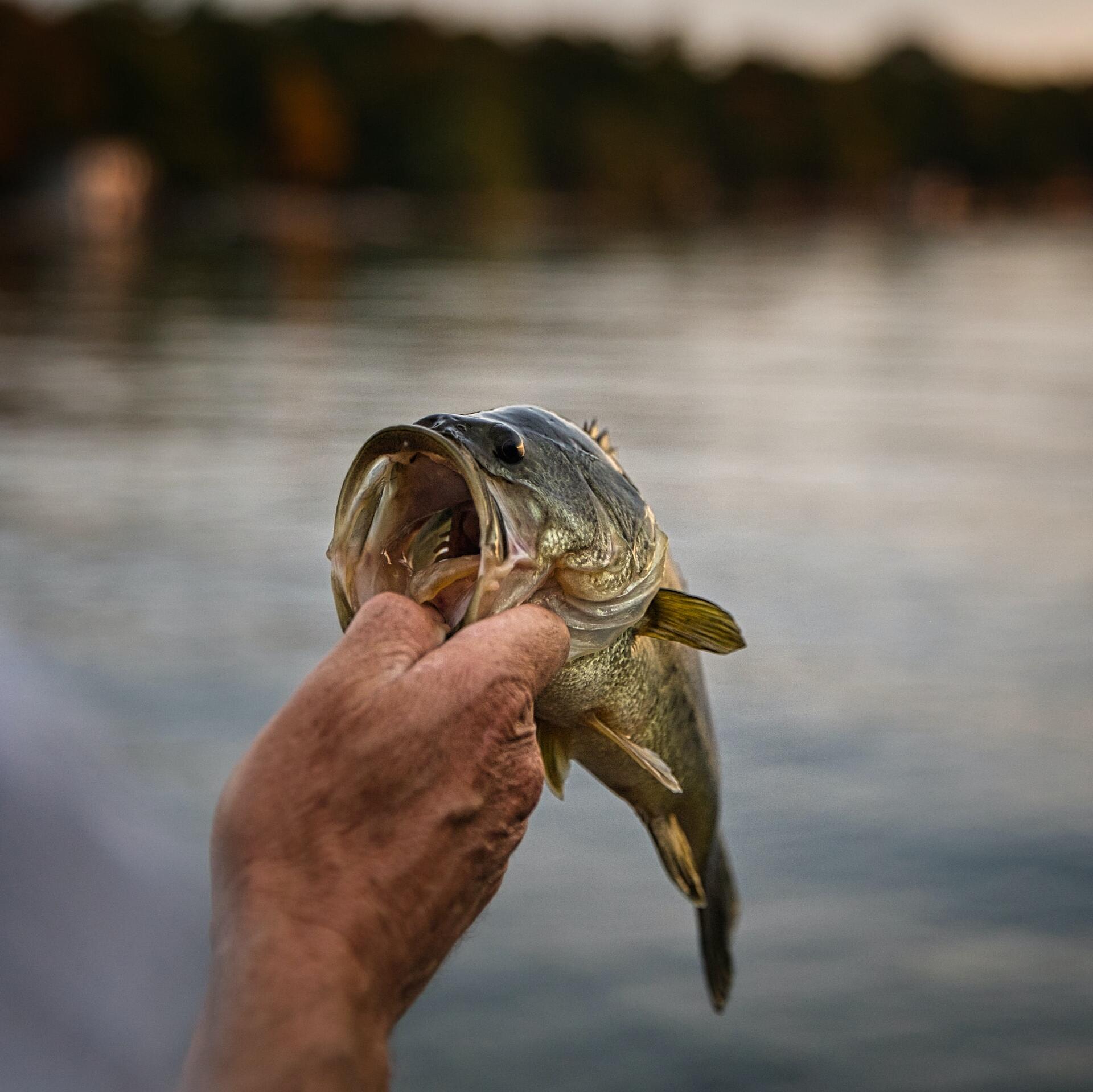
Renowned for their tenacity, largemouth bass are notorious fighters, making them a challenge for anglers. To conquer these formidable adversaries, it is essential to equip yourself with a suitable fishing rod. Given the larger size of largemouth bass, a sturdy baitcasting rod is recommended. Opting for a medium-length pole will enhance your accuracy, especially when targeting hiding spots.
Another critical aspect to consider is the time of day. Largemouth bass tend to exhibit heightened activity levels during the early morning and late evening when light conditions are less intense. However, with the right approach, they can still be caught throughout the day. Seasonal variations influence the behavior and whereabouts of largemouth bass. In the spring and summer, largemouth bass rest in shallow waters, while they prefer to glide along the bottom during the winter months. Nevertheless, regardless of the time or season, targeting the murkiest waters is your recipe for success. Additionally, keep an eye out for areas with drop-offs or sudden changes in water depth, as these are often favorite haunts for largemouth bass.
Smallmouth:
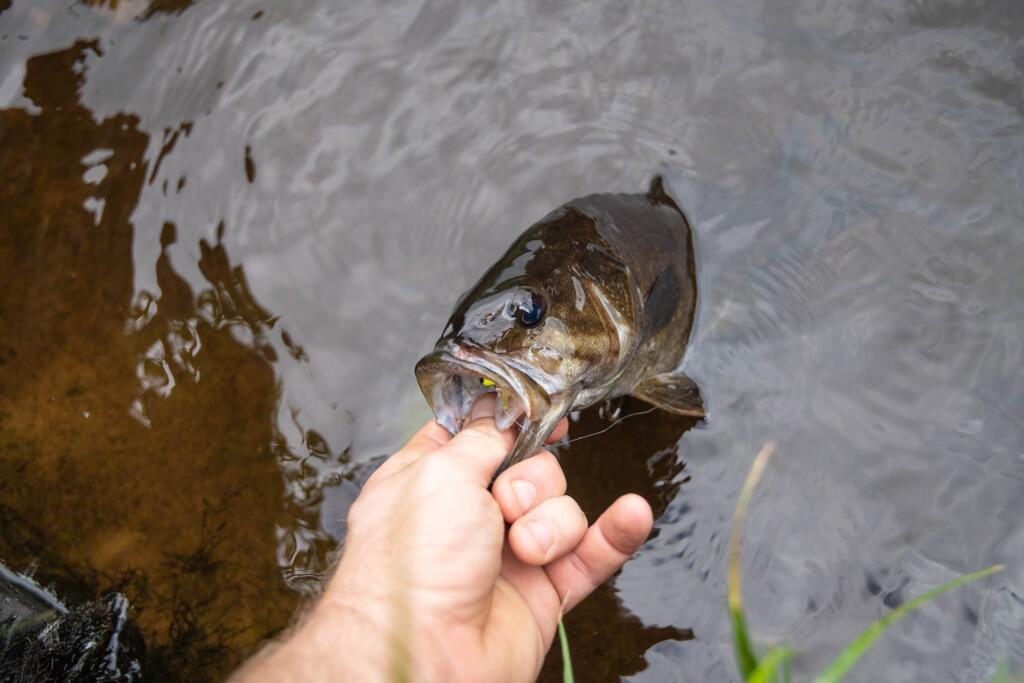
Smallmouth bass are one of the most commonly caught fish in the continental United States. These bass possess a unique appearance, with a bronze or olive hue that gradually transitions to a lighter shade on their sides and belly.
Anglers looking to capture this prized species have a variety of bait options to choose from, including threadfin shad, gizzard shad, crayfish, minnows, young bluegill, and sunfish. When spring arrives, smallmouth bass prepare for spawning by relocating to tailwater regions. Once the spawning phase concludes, they shift their habitat to deeper waters. However, as autumn approaches, they return to the tailwaters.
Muskellunge
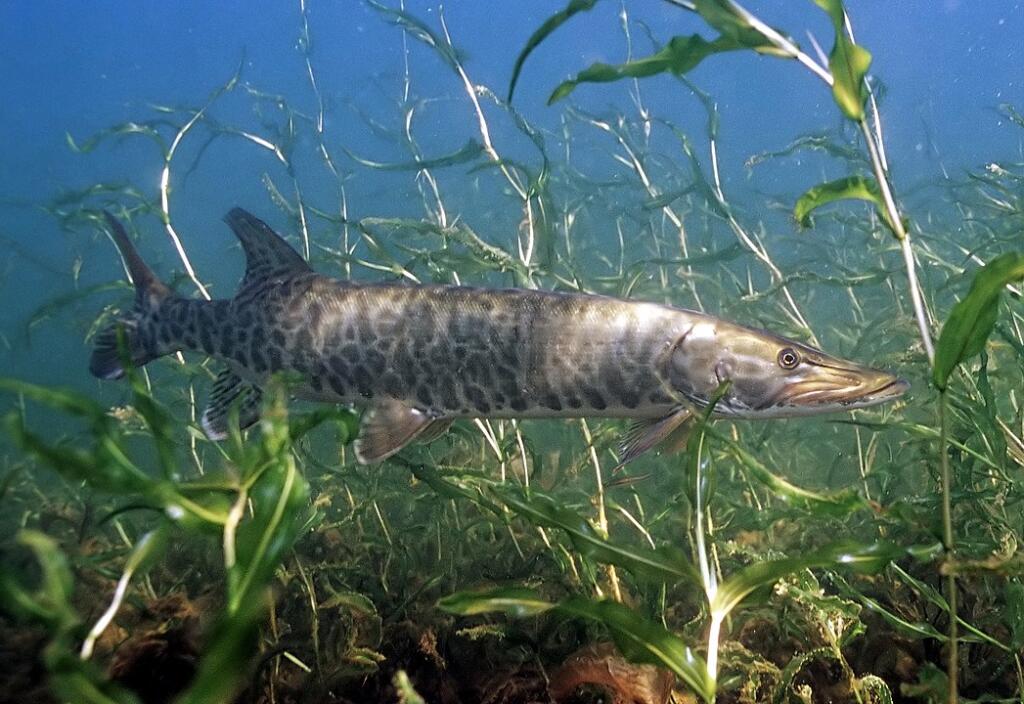

Prepare for an exhilarating fishing experience at Smith Mountain Lake as you set your sights on the elusive muskellunge, also known as muskie. When it comes to bait, bucktails are one of the most effective options for enticing muskies. These stealthy predators often seek refuge in weeds, foliage, and natural structures, including slopes.
While muskies are not typically known as schooling fish, they can occasionally be found swimming in small groups. To increase your chances of success, target the deeper waters during the summer when muskies are particularly active. However, if you’re after the larger ones, casting your line during the fall can be fruitful. And like the rest of the fish on this list, your best chance to catch muskellunge is during low-light conditions.
Whether fishing on a boat or from the shore, these tactics will ensure you go home with a brim-filled cooler of fish.
Frequently Asked Questions
What types of lures can be effective for catching striped bass?
Topwaters, poppers, and jigs.
How can you distinguish between striped bass and striped bass hybrids (wipers)?
Striped bass have continuous stripes on their sides, while hybrids have broken stripes or lines.
When are largemouth bass most active during the day?
Early morning and late evening.